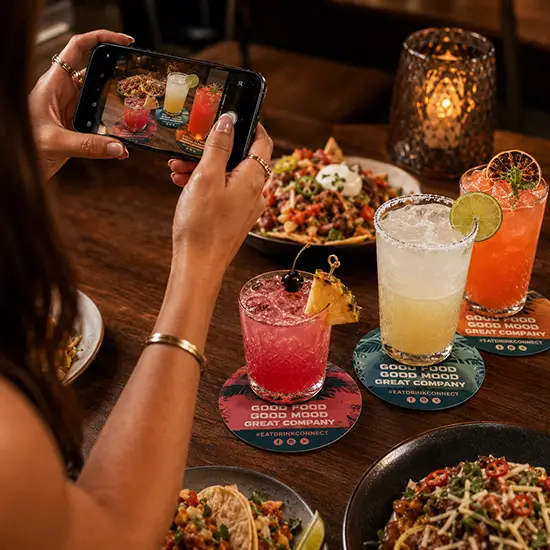
The ROI of Promotional Coasters vs. Traditional Print Ads
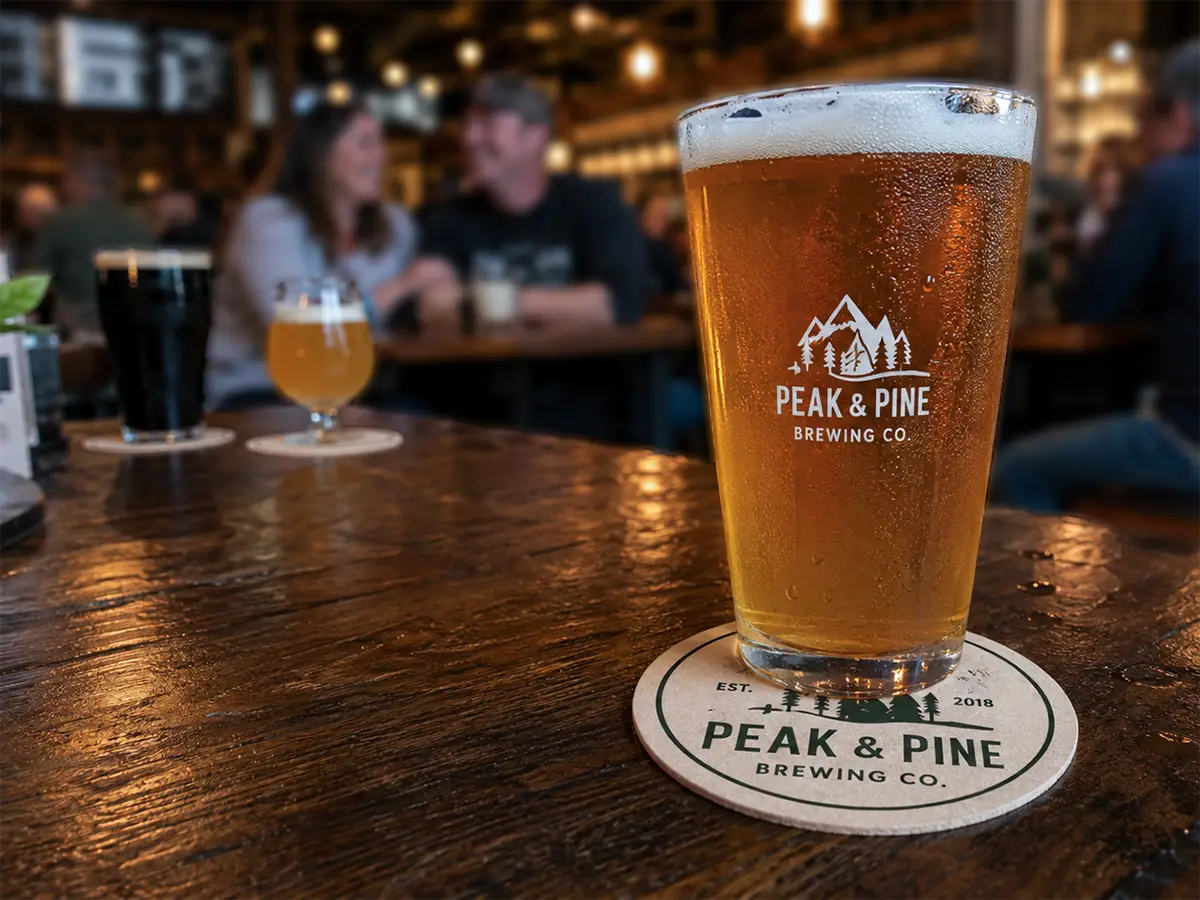
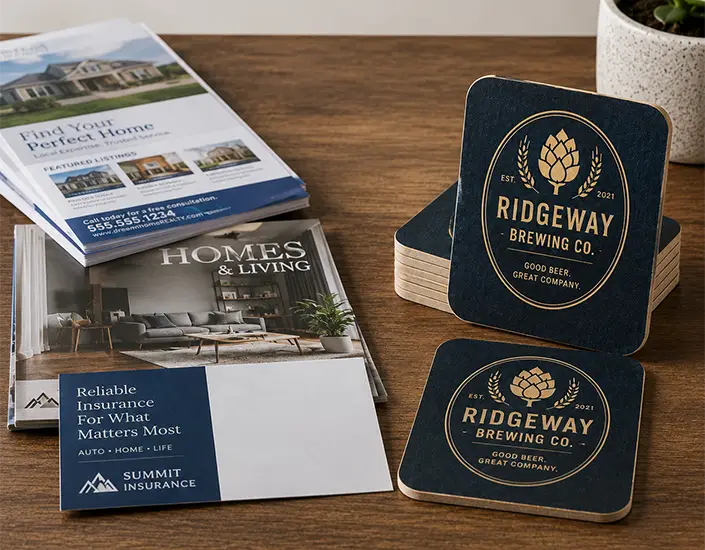
 A flyer gets glanced at. A coaster stays on the table. - Coaster Factory
When it comes to marketing, most businesses want one thing: a high return on investment. The question is not just where to advertise, but which methods deliver the greatest impact for every dollar spent. Traditional print ads have been a go-to for decades, but their effectiveness has declined as audiences tune out repetitive or intrusive marketing. That shift has opened the door for innovative and more personal options like coaster ROI marketing.
Custom drink coasters transform an everyday object into a powerful promotional tool that connects with customers in a more natural way. Whether placed in restaurants, breweries, or events, they reach consumers during relaxed, receptive moments. Compared to digital ads or print flyers, coaster marketing offers longer-lasting impressions at a fraction of the cost. This post breaks down how promotional coasters stack up against traditional advertising methods and why they may be one of the smartest investments for your next marketing campaign.
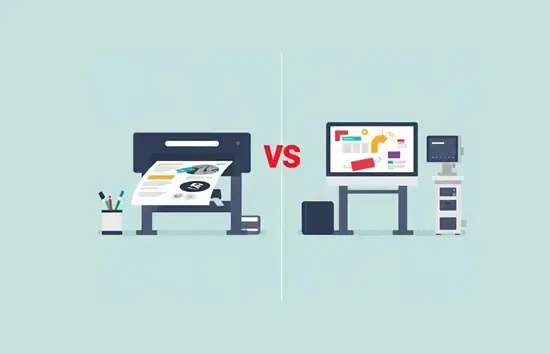
Traditional Advertising vs. Coaster Marketing: An Overview
Traditional advertising methods such as newspaper placements, billboards, and mail flyers once dominated local marketing. They are still used today, but their results are harder to measure, and costs remain high. These formats are limited in both lifespan and audience engagement. Most print ads are seen once and forgotten, making it difficult to build meaningful connections with potential customers.
Coaster marketing takes the same principles of visibility and repetition but brings them into a more targeted and personal environment. Instead of competing for attention in cluttered spaces, coasters live where people are already relaxed and paying attention. A coaster under a drink is impossible to ignore, and because it remains in front of the customer for several minutes, it provides repeated exposure that few other offline formats can match.
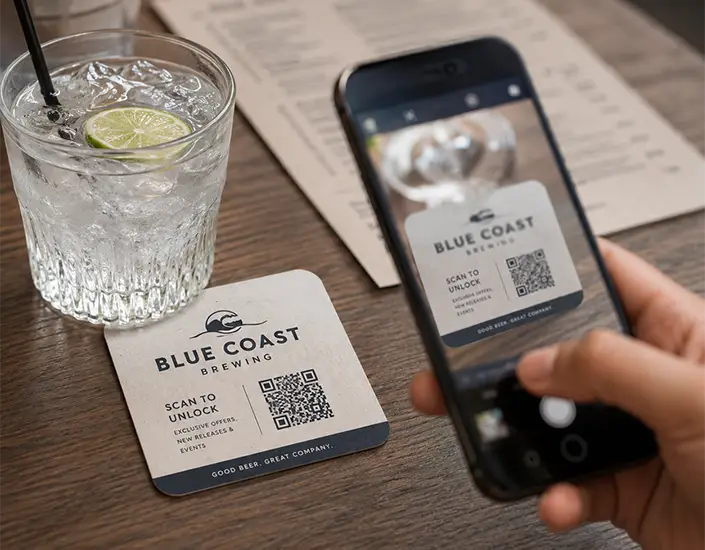
This kind of tangible marketing also bridges the gap between offline and online engagement. For instance, pairing a QR code or special offer on a coaster allows businesses to track conversions and engagement metrics. Unlike digital ads that vanish with a scroll, a well-designed coaster continues to promote long after the first impression.
Understanding the ROI of Coaster Marketing
Return on investment is a key metric for every marketing decision. Coaster ROI marketing focuses on maximizing visibility and recall while keeping costs low. For example, printing a batch of high-quality custom coasters can cost only pennies per impression, yet each piece can deliver hours of brand exposure in bars, cafes, or event venues.
When evaluating ROI, marketers often measure both reach and longevity. A magazine ad might cost hundreds for a single issue, but a set of drink coasters can circulate for months. Every coaster used in a bar or restaurant might be seen by dozens of customers in one night, amplifying your message without additional spending. The compounding exposure translates to long-term value, which explains why more local businesses are investing in coaster advertising as a budget-friendly alternative to traditional placements.
Beyond visibility, coasters also influence consumer behavior. They create a non-intrusive brand touchpoint that reinforces familiarity. When customers repeatedly see your logo or message during social settings, they begin associating your brand with positive experiences. Over time, this drives stronger brand recognition and better recall.
Advantages of Coaster Marketing Over Traditional Methods
The biggest advantage of coaster marketing lies in its ability to turn passive attention into active engagement. Unlike static billboards or expensive magazine spreads, coasters invite customers to interact with your brand in a tangible way. Whether it is a QR code linking to a website or a clever design that sparks conversation, these small, branded items become part of the environment rather than background noise.
Another advantage is the sheer affordability. Promotional coasters provide measurable results for a fraction of the cost of recurring ad campaigns. There are no renewal fees, limited shelf lives, or ongoing media costs. Once printed, coasters continue to generate impressions every time they are used.
They also align with modern sustainability goals. Most drink coasters are made from recyclable or biodegradable pulpboard, offering an eco-friendly option that resonates with today's socially conscious customers. For businesses that prioritize green marketing, coasters deliver a low-waste, high-impact solution.
Finally, coaster marketing supports localized brand presence. Bars, breweries, and restaurants serve as high-traffic hubs, allowing businesses to reach their target audience directly. Each interaction is authentic, creating real-world impressions that digital ads cannot replicate.
Increased Brand Visibility with Coasters
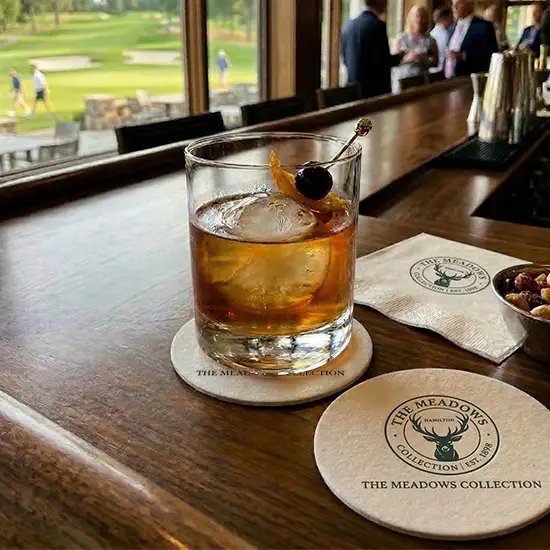
Every marketer wants to increase brand visibility, but not every strategy delivers consistent exposure. Coaster ROI marketing achieves this by placing your logo, tagline, or message in front of customers when they are most relaxed. People tend to engage more deeply with their surroundings in social settings, which gives branded pulpboard coasters a distinct advantage.
A well-placed coaster in a local pub or cafe can be seen by hundreds of eyes in a single evening. It might rest on a table for hours, shared among groups, or photographed alongside drinks. This level of natural exposure is nearly impossible to achieve with fleeting digital ads. Over time, those repeated visual cues lead to stronger memory retention and better association with your brand's values.
Branded pulpboard coasters not only enhance visibility but also reinforce brand credibility. Customers perceive companies that invest in custom, high-quality materials as more professional and trustworthy. When they see that kind of attention to detail, it reflects positively on your overall image.
Long-Term Exposure Compared to Print Ads
One of the most overlooked benefits of coaster advertising is its long-term visibility. A print flyer or newspaper ad might capture attention for a day, but a set of bar coasters can remain in rotation for weeks or even months. Each time a customer uses or notices one, it refreshes their awareness of your brand.
Think about how many times a coaster is handled in a single night. It may move from one guest to another or stack on the bar while people talk. That simple repetition drives familiarity, and familiarity drives trust. Compared to the short lifespan of traditional print media, coasters provide a much longer window of engagement for a fraction of the cost.
The physical nature of drink coasters also extends their life beyond the venue. Customers sometimes take them home as souvenirs or conversation pieces. This means your message travels further than expected, continuing to work without additional investment. Over time, this cumulative effect produces measurable results that prove why coaster ROI marketing outperforms other print formats.
Consumer Behavior and Coasters
Consumer behavior studies consistently show that people are more likely to remember brands they experience in tangible ways. Coasters work because they create a sensory connection between your brand and the customer's environment. The look, texture, and design all play a part in building a stronger emotional response.
A well-designed drink coasters serves as both a visual and tactile reminder. When placed strategically in restaurants or events, it influences the target audience subtly but effectively. Every sip, every glance at the logo, reinforces brand recall.
This consistent exposure has a measurable impact on how people perceive your company. When they later encounter your business online or in-store, they are more likely to recognize and trust it. That connection between memory and familiarity is a cornerstone of brand recall and one of the main reasons coaster ROI marketing continues to grow in popularity among hospitality and retail businesses.
The Power of Coasters in Building Brand Recognition
Brand recognition is built through consistent, repeated exposure that feels natural rather than forced. Coaster marketing works because it places your brand into real environments where customers spend time and form impressions organically. When someone enjoys a drink with your coaster under their glass, your logo becomes part of their experience instead of just another advertisement.
Branded coasters also contribute to brand storytelling. The design, texture, and quality of your coasters reflect your business personality. A brewery might choose bold, colorful designs that show creativity, while a corporate brand may favor clean, minimal layouts that emphasize professionalism. This attention to design helps your brand identity feel more cohesive across different touchpoints.
The more customers encounter your logo in familiar, enjoyable places, the more likely they are to remember it later. This type of real-world repetition improves both recognition and trust. In many cases, a single run of coasters used across bars or events can generate thousands of impressions without any additional spending. That is the kind of cost efficiency that proves the value of coaster ROI marketing for businesses that depend on brand familiarity.
How Coaster Marketing Encourages Offline Engagement
Coasters are not only a tool for visibility but also an entry point for genuine offline engagement. In a world dominated by digital ads, physical items that invite touch and interaction feel refreshing. A customer can pick up a coaster, read a message, or scan a QR code to learn more about your brand. That level of direct engagement is difficult to achieve through digital channels alone.
Offline engagement is critical because it builds emotional connections. People trust what they can see and feel. When a coaster is part of a relaxed experience, it becomes associated with enjoyment, social connection, and comfort. Those emotional links help convert awareness into loyalty.
Coaster marketing gives brands a reason to interact with customers outside of screens. Whether it is at a local restaurant or a trade show booth, a well-designed coaster encourages conversation. It becomes an easy talking point between customers and staff, or even among friends. That interaction increases your reach in ways that go beyond impressions, fostering authentic relationships with your target audience.
The Role of Offline Engagement in Marketing
Offline engagement reinforces brand loyalty in ways that online marketing cannot always achieve. While digital campaigns can reach large audiences quickly, they often lack depth. Real-world materials like coasters connect with people through sensory experience, which makes them more memorable.
This kind of tactile marketing has a lasting impact. When someone holds or interacts with your coaster, it stimulates visual and physical memory. Those cues are stored differently in the brain compared to digital impressions, which often vanish seconds after scrolling past them. Because of this, offline tools like coasters improve brand recall and help strengthen long-term customer relationships.
Companies that integrate both offline and online strategies often see the best results. For example, pairing coaster advertising with a QR code that links to an online promotion creates a bridge between physical and digital channels. This hybrid approach increases your marketing campaign's reach while maintaining that valuable personal touch.
Coasters as a Tool for Building Word of Mouth Marketing
Word of mouth is one of the most trusted forms of advertising, and coasters naturally encourage it. When a customer sees a unique design or clever message on a coaster, it sparks conversation. They might comment on the design, take a photo, or share it on social media. Each of those moments helps spread your brand organically.
Bar coasters in particular are powerful conversation starters. In busy social settings, they circulate across tables and between people. Every interaction is an opportunity for someone new to notice your logo, slogan, or product message. Compared to the passive exposure of a print ad, coaster marketing delivers active engagement that travels through real-world networks.
This strategy also aligns with how local businesses grow. A brewery, restaurant, or cafe can build strong word of mouth through memorable branded coasters that customers take home. The small size and portability of drink coasters make them ideal promotional tools that continue to work long after the initial encounter.
Coasters and Customer Retention
Customer retention often depends on staying present in a customer's mind after their first purchase or visit. Coaster advertising keeps your brand visible even when you are not actively promoting. When customers see or reuse your coaster later, it reminds them of their experience and encourages repeat engagement.
Branded coasters also offer practical value. They protect surfaces, serve as keepsakes, and sometimes even become collectibles. This useful nature increases the likelihood that people will hold onto them, giving your brand longer exposure than most printed marketing materials.
Businesses can further enhance retention by pairing coasters with incentives. For instance, a QR code could link to a loyalty program, survey, or future discount. Each use reinforces brand familiarity and encourages customers to return. This small but consistent reminder builds loyalty that translates directly into better ROI.
Conclusion: Maximizing ROI with Coaster Advertising
Coaster ROI marketing is one of the most cost-effective and creative ways to reach your audience. It combines physical presence, affordability, and long-lasting exposure in one small but powerful medium. Unlike traditional print ads that fade quickly, coasters continue to promote your message day after day, reaching people in meaningful, real-world settings.
For local businesses, bars, and hospitality brands, coaster advertising delivers both visibility and engagement. Each coaster placed in a customer's hand represents a touchpoint that can lead to increased brand recognition, word of mouth, and repeat business. It is an innovative strategy that proves you do not need a massive advertising budget to make a strong impression.
If your goal is to increase brand visibility and connect with customers in a more genuine way, coaster marketing should be part of your plan. It delivers measurable impact without the high costs of recurring campaigns. For a lasting and affordable promotional solution, nothing compares to the return you get from promotional coasters.
Want Better ROI? Get Your Branded Coasters Today!
Share: