Eco Friendly Coaster Benefits: The Environmental Advantages of Recyclable Pulpboard Coasters
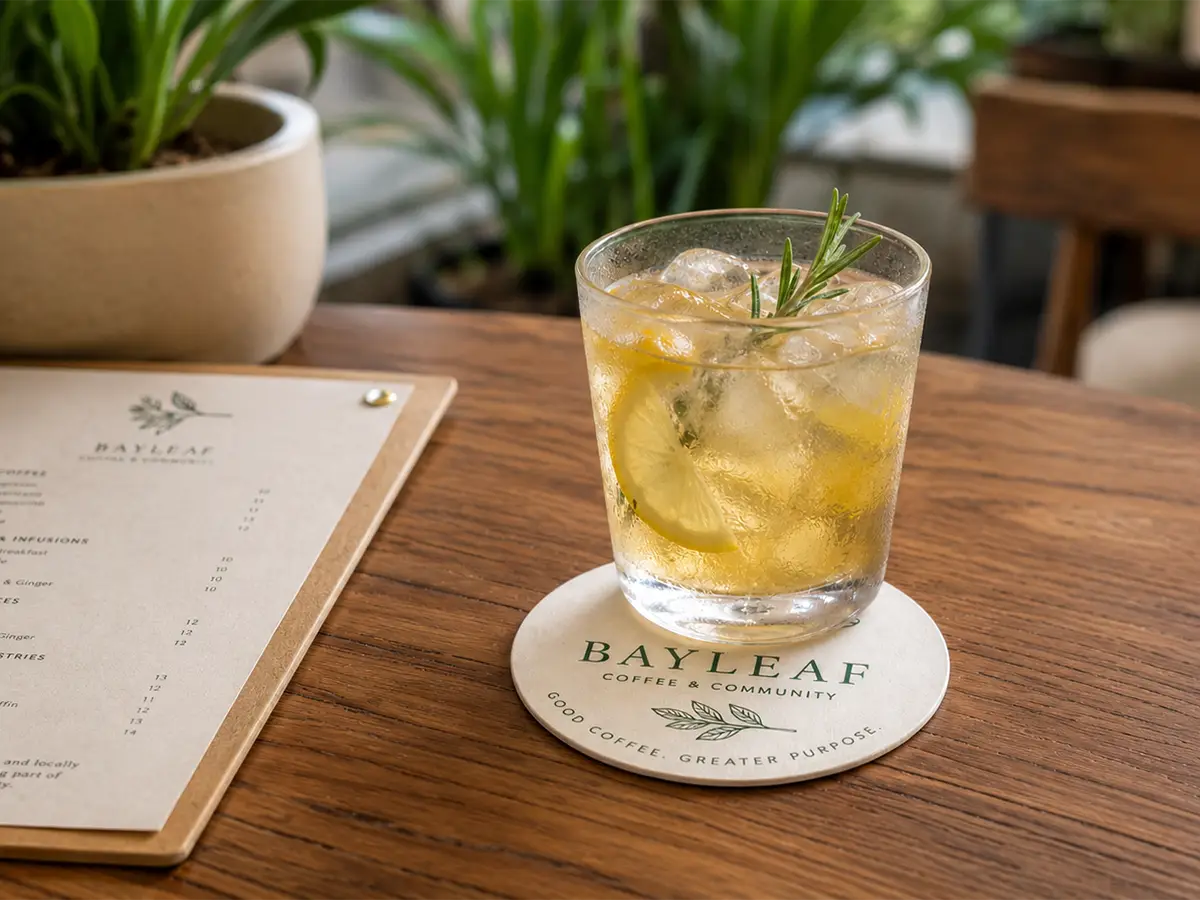
 Every sustainable choice matters, even the ones sitting on the table. - Coaster Factory
Businesses across every industry are looking for smarter ways to reduce waste and operate more sustainably. From packaging and shipping materials to the smallest branded details, every choice contributes to your company's environmental impact. One overlooked area is drinkware accessories, particularly coasters. The materials you choose for these items can make a real difference.
This article explores the eco-friendly coaster benefits of recyclable pulpboard coasters and how they compare to other sustainable options. Whether you are a hospitality brand, brewery, or event planner, switching to eco-friendly coasters helps your business appeal to eco conscious consumers while supporting a cleaner planet.
While many materials are marketed as eco-friendly, pulpboard remains the default choice for hospitality and promotional use because it is engineered specifically for beverage service at scale.
Why Eco-Friendly Coasters Matter
Today's customers pay attention to more than product quality. They look at how companies operate, where materials come from, and whether they align with environmentally responsible values. Using coasters made from eco friendly materials such as pulpboard, cork, or wood sends a clear message that your brand values sustainability.
Beyond image, there are practical reasons to make the change. Sustainable coasters help reduce landfill waste, cut down on single-use plastics, and lower your overall carbon footprint. For B2B buyers, hotels, and breweries, this shift also demonstrates social responsibility, which can enhance partnerships and customer loyalty.
Ultimately, the eco-friendly coaster benefits go beyond the product itself. Choosing sustainable materials is an investment in your brand reputation and the long-term health of the environment.
What Makes Pulpboard Coasters an Eco-Friendly Option?
Pulpboard coasters stand out because they are biodegradable, recyclable, and produced from renewable paper pulp. Unlike plastic or rubber alternatives, pulpboard breaks down naturally without harming the environment. It also uses less energy to produce, which contributes to a smaller ecological footprint.
These coasters are made from natural material that absorbs condensation effectively, keeping tables dry and reducing cleanup time. They perform well in restaurants, bars, and breweries where protecting surfaces from moisture is essential. Because they can be recycled after use, they reduce waste compared to single-use plastic options.
From a branding perspective, pulpboard provides a smooth, printable surface ideal for detailed artwork and full-color designs. It is one of the few eco-friendly materials that balances performance, print quality, and sustainability, which makes it a top choice for businesses seeking eco-friendly coaster benefits.
Comparing Pulpboard Coasters to Other Popular Eco-Friendly Coasters
Not all coasters are created equal. Each material offers distinct benefits and design possibilities. Understanding the differences helps you make informed choices that align with your brand image and sustainability goals. The following sections compare several common alternatives that appeal to eco conscious consumers while maintaining functional performance.
Cork Coasters: A Natural and Sustainable Option
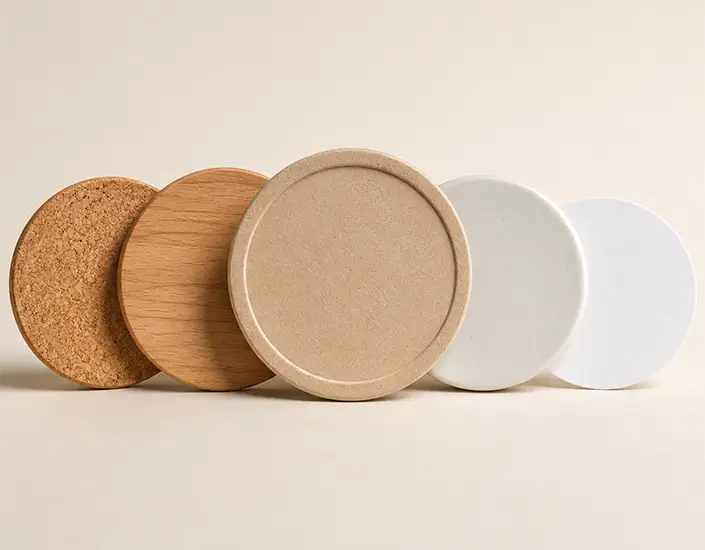
Cork coasters are among the most popular eco-friendly materials used in hospitality. Harvested from the bark of cork oak trees, cork regenerates naturally without damaging the tree, making it one of the most renewable resources available. Its spongy texture provides excellent grip and insulation, ideal for both hot drinks and cold beverages.
Cork offers a unique tactile appeal and natural beauty that fits perfectly with brands that value authenticity and organic design. These coasters can last for years with proper care, which further enhances their eco value.
From a sustainability standpoint, cork is fully biodegradable and recyclable. It is also lightweight, reducing transportation emissions. For businesses looking to minimize waste and highlight their commitment to eco-friendly materials, cork is an outstanding choice. Its ability to combine performance, aesthetics, and environmental responsibility makes it a cornerstone in any discussion about eco-friendly coaster benefits.
Ceramic Coasters: Stylish Yet Eco-Friendly
Ceramic coasters deliver sophistication while supporting sustainability. They are durable, long-lasting, and easy to clean, which makes them ideal for both residential and commercial environments. While ceramic production requires heat-intensive processes, the longevity of the material offsets its initial environmental cost.
Ceramic is resistant to stains and moisture, offering strong protecting surfaces performance for hot drinks and chilled beverages alike. These coasters are often chosen for upscale venues or gift sets where appearance matters as much as function.
As an eco-friendly material, ceramic coasters are a practical alternative to plastic or synthetic options because they can be reused indefinitely. The balance between function and form makes them a reliable part of any sustainability strategy focused on long-term usability and visual appeal.
Paper Coasters: A Lightweight Eco-Friendly Option
For short-term events and high-turnover venues, paper coasters provide a cost-effective, recyclable solution. These coasters are usually made from post-consumer or sustainably sourced paper pulp, which keeps them aligned with eco values.
Their lightweight design makes them inexpensive to ship and ideal for large-scale promotions, such as marketing campaigns or one-time events. Although paper options have a shorter lifespan than materials like cork or ceramic, they still help reduce a business's overall carbon footprint when recycled properly.
When branded effectively, paper coasters can carry strong marketing impact without excess material use. They are a good fit for any business wanting to highlight environmental awareness without compromising convenience or cost efficiency.
Wood Coasters: The Rustic Charm of Eco-Friendly Materials
Wood coasters combine functional strength with an appealing rustic charm that fits well in breweries, cafes, and boutique retail environments. Made from reclaimed or responsibly sourced wood, these coasters are strong, durable, and completely biodegradable.
The natural grain and color variations bring a sense of warmth and natural beauty to every table setting. Wood is a sustainable material that can be repurposed, refinished, or composted depending on its treatment. When laser engraved or etched, it becomes a lasting piece of branded merchandise that conveys craftsmanship and authenticity.
From an environmental standpoint, wooden coasters made from natural material support eco-friendly production cycles and reduce the need for synthetic alternatives. They also appeal to customers who appreciate tangible, natural products that align with green lifestyles.
Other Reusable Alternatives: Metal, Stone, and Silicone Coasters
While less traditional, modern materials like metal coasters, stone coasters, and silicone coasters each offer their own sustainable benefits.
Metal coasters are nearly indestructible and can be recycled indefinitely, making them ideal for high-end settings or corporate gifting. Stone coasters, such as slate or marble, provide a refined, heavy-duty option that conveys quality and permanence. Silicone coasters are flexible, easy to clean, and long-lasting, which minimizes replacement waste.
Each of these materials excels at protecting surfaces while reducing long-term environmental impact. For businesses that value durability and modern design, these alternatives can complement or even enhance the traditional appeal of pulpboard and cork.
The Positive Impact of Pulpboard Coasters on the Environment
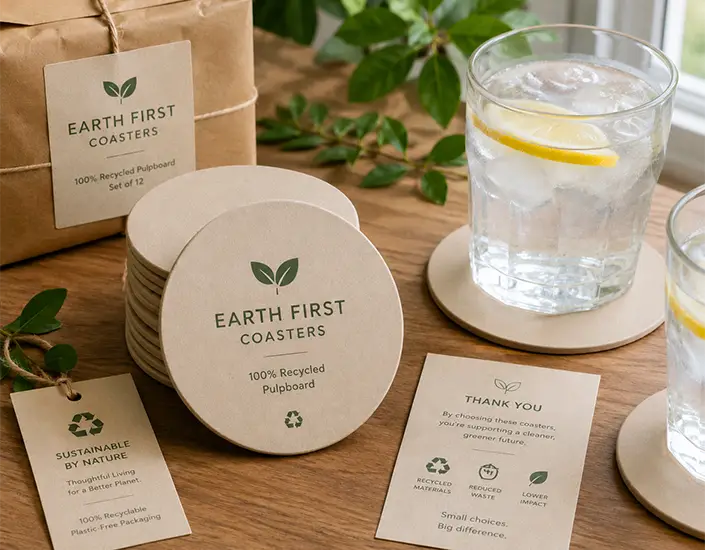
When it comes to practical sustainability, pulpboard coasters make a measurable difference. They are produced using renewable fibers that can be recycled multiple times, which helps conserve resources. By choosing pulpboard, businesses help reduce landfill waste while promoting a more circular economy.
The manufacturing process for pulpboard uses significantly less energy than synthetic materials. This lower production footprint translates directly into smaller environmental impact and better alignment with corporate sustainability goals.
Using sustainable materials like pulpboard also reinforces your brand's image with eco conscious consumers. Customers today are drawn to companies that make responsible choices, even in small details like coasters. Because pulpboard is a natural material, it allows businesses to meet these expectations without sacrificing quality or branding flexibility.
Reducing the Carbon Footprint of Your Business
One of the most significant eco-friendly coaster benefits is the reduction of your business's carbon footprint. Every product choice affects energy use and emissions, and coasters are no exception. Pulpboard coasters are lightweight, which means they require less energy to transport and store compared to heavier materials like glass or metal.
Production efficiency also plays a role. Since pulpboard is created from recycled paper fibers, it uses fewer raw resources and less processing energy. This streamlined approach keeps emissions lower at every stage, from production to disposal.
For companies that prioritize green operations, incorporating eco friendly materials into product offerings is an easy, low-cost step toward meeting environmental goals. Coasters are an everyday product that customers interact with, making them an ideal way to demonstrate your sustainability values in a visible and practical way.
Protecting Surfaces and Reducing Waste
Coasters have always served a practical purpose, and the best options combine performance with environmental awareness. Pulpboard coasters excel at protecting surfaces from moisture, heat, and stains while reducing the waste associated with disposable plastic or laminated drinkware.
Businesses that switch to pulpboard or cork coasters can maintain excellent protection for tables and counters while using renewable materials. This eliminates the need for synthetic coatings that are difficult to recycle.
Additionally, pulpboard coasters can be composted or recycled, ensuring they return to the production cycle instead of ending up in the trash. That commitment to responsible material management appeals to eco conscious consumers who value products designed for long-term sustainability.
When combined with smart design and printing, these coasters become both a marketing tool and a sustainability statement. The eco-friendly coaster benefits are clear: better functionality, less waste, and a positive environmental message your customers will notice.
Why Businesses Should Choose Eco-Friendly Coasters
Sustainability is no longer just a consumer trend. It has become a critical factor in brand trust and reputation. Companies that adopt green initiatives often find they attract more loyal customers, build stronger partnerships, and improve public perception.
Choosing an eco-friendly coaster benefits your business in several ways. First, it highlights your commitment to the planet in a tangible, visible form. Second, it aligns your operations with broader sustainability goals, which can appeal to both corporate clients and individual customers. Finally, it reinforces quality and care. The traits that reflect positively on your brand.
Eco-friendly options such as cork coasters, ceramic coasters, and wood coasters give you flexibility in style and function while maintaining environmental responsibility. For cost-effective branding, pulpboard coasters remain a top performer. Businesses can even order blank coasters for events or create fully branded designs with custom coasters that align with marketing campaigns.
Whether you need long-lasting restaurant drink coasters or biodegradable promotional materials, switching to sustainable products creates real impact. By incorporating eco-friendly designs into your daily operations, you promote environmental responsibility and strengthen your business identity at the same time.
Conclusion: Make the Switch to Eco-Friendly Coasters Today
As awareness of sustainability grows, customers expect brands to take visible action. Choosing pulpboard and other environmentally friendly coaster materials is an easy and effective way to meet that expectation. The eco-friendly coaster benefits are clear; it reduces waste, lowers energy use, and has a strong connection with eco conscious consumers.
Businesses that adopt eco-friendly materials today position themselves as leaders in a marketplace that values responsibility and authenticity. With so many sustainable choices available, there is no reason to rely on outdated, wasteful options.
It is time to make a change that benefits your customers, your brand, and the planet.
Browse Our Eco-Friendly Coasters at Coaster Factory and start designing sustainable solutions that reflect your values.
Share: