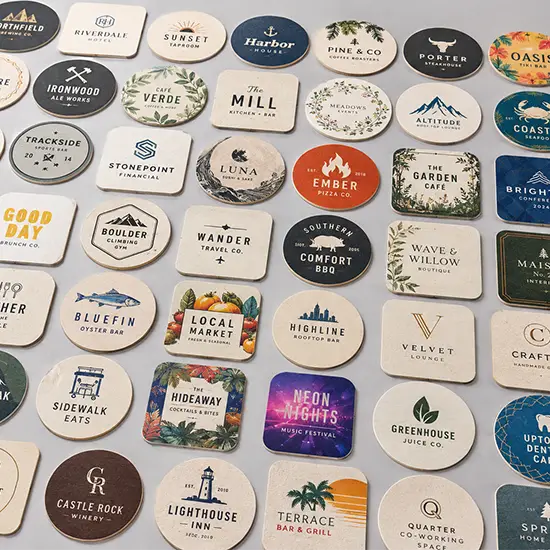
8 Branded Merch Kits That Actually Work for Hybrid Teams and Events
 Great branded merchandise starts with usefulness, not just visibility. - IDEO
Hybrid work is no longer an experiment. It is how many organizations operate day to day. Teams are split between offices, homes, conferences, and shared workspaces. That shift has changed how companies think about connection, culture, and visibility. It has also reshaped how branded merch kits are designed and delivered.
In 2026, branded merchandise is no longer about sending out random items and hoping they land. The most effective kits are intentional. They support how people work, where they work, and how brands want to show up in those moments. When done right, merch kits become part of daily routines instead of ending up in a drawer.
This matters for corporate teams, hospitality brands, event planners, and sustainability focused buyers alike. A well-built kit creates a consistent brand experience across physical and digital spaces, without feeling forced or promotional.
Why Branded Merch Kits Still Matter in 2026
Digital communication dominates most workdays, but physical touchpoints still carry weight. A tangible item has staying power that an email or ad cannot match. That is why branded merch kits continue to outperform many short-lived marketing tactics.
In hybrid environments, teams rarely share the same space. A thoughtfully assembled kit helps level that gap. It creates a shared experience whether someone is at a desk, in a hotel room, or working remotely. This is one of the reasons promotional products remain a core part of internal engagement and external marketing strategies.
Branded merch kits also solve a practical challenge. They allow companies to deliver multiple messages through one coordinated package. Instead of sending separate items over time, brands can introduce themselves, reinforce values, and support daily work habits in a single shipment.
What Has Changed About Promotional Products for Hybrid Teams
The biggest change is expectations. People are more selective about what they keep. Items need to earn their place by being useful, well designed, or aligned with personal values. This has raised the bar for promotional products across every industry.
Hybrid teams have also changed how kits are distributed. Shipping directly to homes, event venues, or satellite offices is now standard. That means fulfillment, durability, and packaging matter more than ever. Brands that work with experienced account managers tend to avoid the common pitfalls and deliver a smoother experience from start to finish.
There is also a shift toward flexibility. Many organizations now build kits that can be refreshed or reordered easily. This allows branded merch to stay relevant as teams grow, events change, or new customers come onboard.
How to Choose the Right Promotional Products for Hybrid Teams
Choosing the right mix starts with understanding how your audience works. A remote employee, a trade show attendee, and a hospitality buyer all interact with merchandise differently. The most effective custom promotional products are designed around those behaviors.
Function should lead the decision. Items that support everyday tasks are more likely to stay visible. Design comes next. Clean branding, thoughtful colors, and durable materials signal quality products and credibility. Price matters, but value matters more. A smaller kit with well chosen pieces often outperforms a larger box of forgettable items.
It is also important to think beyond the first impression. The best-selling promotional products are rarely novelty items. They are things people reach for again and again.
Matching Merch to Work Style and Environment
Hybrid teams move between spaces. Kits should account for that movement. Lightweight items travel better. Durable materials hold up across environments. Neutral designs fit more settings.
For example, drinkware or desk accessories work well for home offices, while compact items shine at events. Including versatile pieces helps ensure the kit feels relevant regardless of where it is opened.
Budget, Scale, and Fulfillment Considerations
Budgets vary widely, but planning creates flexibility. Building kits that can scale up or down allows teams to respond to changing needs without redesigning everything from scratch.
Fulfillment is just as critical as product selection. Shipping accuracy, timing, and packaging all affect how the kit is received. Brands that invest in this process protect their reputation and avoid unnecessary friction.
8 Creative Branded Merch Kit Ideas
Below are eight practical, proven ideas that work across hybrid teams and events. Each one serves a specific purpose and audience.
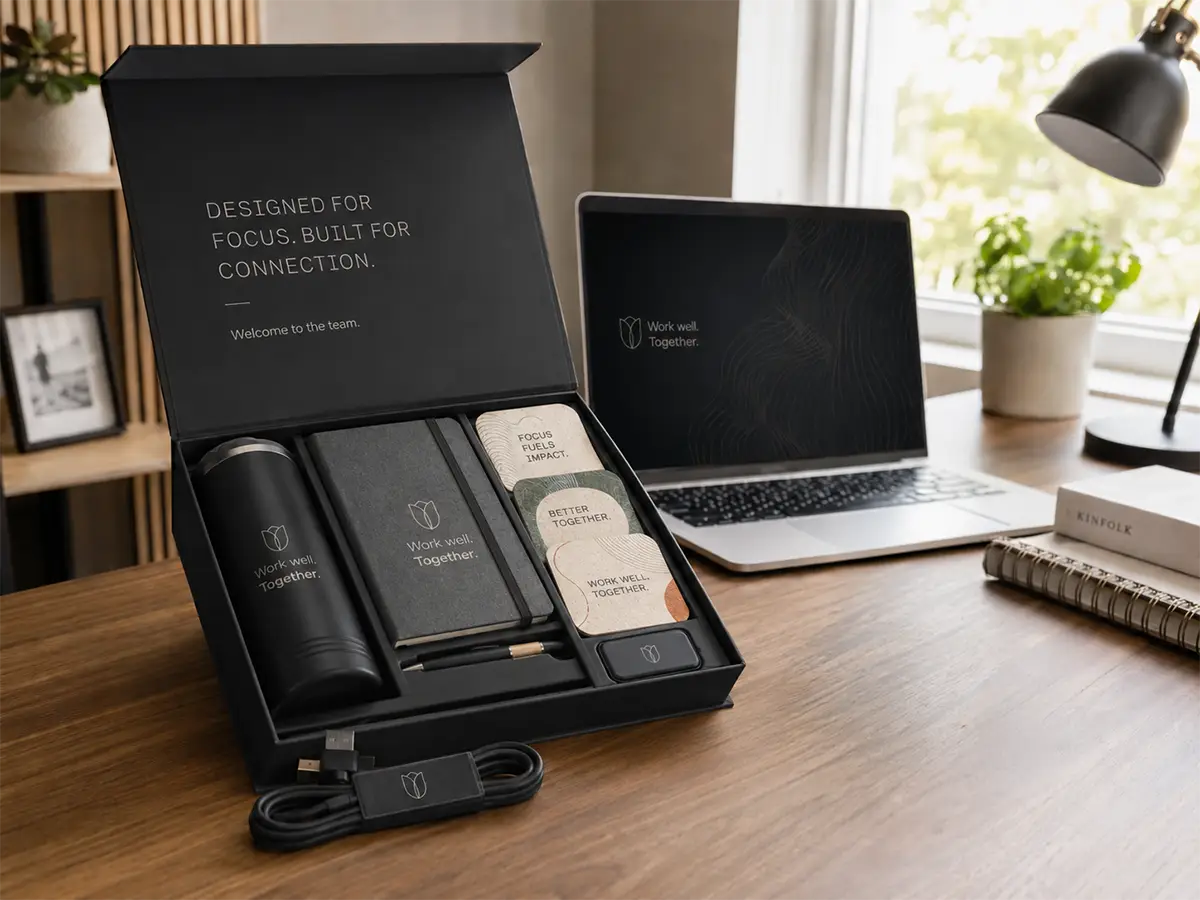
The Welcome Back to Office Kit
As teams return to shared spaces, this kit helps re establish routine without forcing it. Items often include desk essentials, drinkware, and printed pieces that reinforce culture and expectations.
Including promotional coasters in this kit makes sense. They are functional, visible, and easy to brand without overwhelming the space. When paired with other essentials, they quietly reinforce identity throughout the workday.
This type of kit works well for existing customers, internal teams, and office-based partners.
The Remote Team Appreciation Box
Remote employees value recognition just as much as office staff. This kit focuses on comfort, productivity, and thoughtful details. Items might include wellness focused pieces, practical desk tools, or branded merch designed for home use.
The goal is not volume. It is relevant. A smaller box that feels considered often delivers a stronger message than a larger one that feels generic.
This approach supports morale while reinforcing brand loyalty through everyday use.
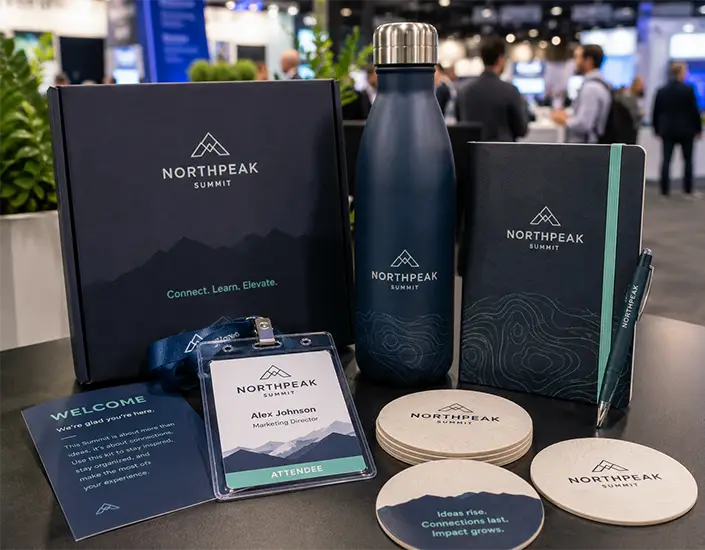
The Trade Show Essentials Kit
Trade shows are fast paced and overwhelming. A well-designed kit helps your brand stand out while offering immediate value. Think useful, portable, and easy to carry.
This is where promotional items shine. Compact notebooks, drink coasters, or practical accessories travel well and extend brand exposure beyond the booth. Including a clear call to action or follow up resource increases post event engagement.
Trade show kits are also ideal for introducing branded merch kits to new customers in a controlled, intentional way.
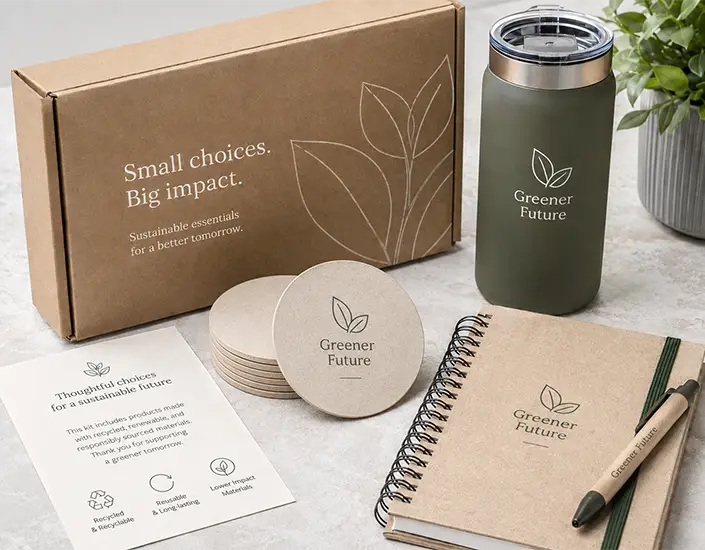
The Sustainability Starter Kit
Sustainability focused buyers are looking for more than labels. They want materials, sourcing, and design choices that align with their values. This kit highlights those decisions clearly.
Reusable items, recyclable packaging, and responsibly sourced materials all play a role. Printed explanations help tell the story behind the products and build trust.
Coasters made from recyclable pulpboard fit naturally here. They demonstrate that even small, everyday items can support sustainability goals without sacrificing quality or design.
The Holiday Gifting Kit
Holiday gifting is one of the few moments when branded merchandise is genuinely expected. During holiday shopping season, recipients are more open to receiving promotional gifts, especially when they feel thoughtful rather than transactional.
This kit works best when it balances warmth and practicality. Seasonal packaging, limited edition designs, and items that feel giftable elevate the experience. Branded drinkware, desk accessories, or soft goods tend to perform well because they integrate easily into daily life.
Holiday kits also create a strong opportunity to reinforce relationships with clients and partners. When done well, they position your brand as attentive and professional rather than promotional.
The Virtual Event Swag Pack
Virtual and hybrid events still rely on physical touchpoints to stand out. A swag pack mailed ahead of time creates anticipation and grounds the digital experience in something tangible.
These kits are usually lightweight and compact. Items should support the event itself, such as note taking tools, branded merch that appears on camera, or drink coasters used during networking sessions.
Virtual event kits work especially well when paired with clear instructions on when and how items will be used. This turns the merch into part of the agenda instead of a passive giveaway.
The New Customer Welcome Kit
First impressions matter, especially when onboarding new customers. A welcome kit sets expectations and introduces your brand in a controlled, thoughtful way.
This kit often includes a mix of functional items and printed materials that explain what to expect next. The goal is clarity, not volume. Well-chosen promo products help reinforce professionalism and attention to detail.
Including drink coasters in a welcome kit adds a subtle but effective touchpoint. They live on desks, conference tables, and counters, quietly reinforcing brand presence without interrupting the experience.
The Premium Executive Gift Set
Executive level gifts require restraint. Quality, presentation, and relevance matter more than quantity. This kit is often used for corporate gifts, strategic partners, or high value clients.
Materials should feel elevated. Packaging should be minimal and intentional. Branding should be subtle. When done correctly, this type of kit communicates confidence rather than promotion.
Premium sets are also a strong place to showcase branded merchandise that reflects craftsmanship and durability. These items are often kept longer and used more intentionally.
Why Branded Merch Kits Drive Long Term Brand Loyalty
Consistency builds trust. When people interact with your brand through useful, well-designed items, it reinforces reliability and attention to detail. Over time, these impressions contribute directly to brand loyalty.
Branded merch kits also create continuity across touchpoints. Whether someone encounters your brand at an event, in an office, or at home, the experience feels cohesive. That consistency helps move relationships from transactional to long term.
This is especially important when nurturing existing customers. Thoughtful kits signal appreciation without needing constant outreach or messaging.
The Role of Design and Packaging in Custom Swag
Design determines whether an item feels intentional or disposable. Clean layouts, appropriate color use, and readable branding all influence perception. Overdesigned items often feel less premium than simple, well executed ones.
Packaging plays an equally important role. A cohesive unboxing experience adds perceived value and sets the tone before any item is used. Even modest kits benefit from organized presentation and clear messaging.
This is where custom swag becomes more than a collection of items. It becomes a brand experience.
Coasters as Functional Brand Touchpoints
Coasters are often overlooked because they feel simple. That simplicity is exactly what makes them effective. They serve a clear purpose and stay in view for extended periods of time.
Unlike novelty items, coasters integrate seamlessly into workspaces, events, and hospitality settings. They support branding without demanding attention. This makes them a reliable choice across many branded merch kits.
Used thoughtfully, they reinforce identity while remaining useful.
Coasters: The Underrated Star of Branded Merch Kits
When brands include coasters, they often choose them as an afterthought. In reality, they are one of the most versatile promotional products available.
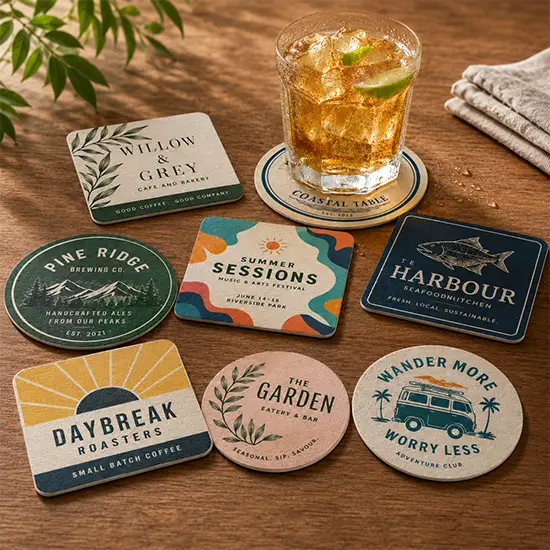
Custom printed coasters work across offices, trade shows, hotels, restaurants, and home desks. They are lightweight, easy to ship, and adaptable to many design styles. For brands building promotional coasters into kits, the return on visibility is often higher than expected.
Because they are used repeatedly, they quietly extend brand exposure far beyond the moment the kit is opened.
How Coasters Support Events, Offices, and Remote Teams
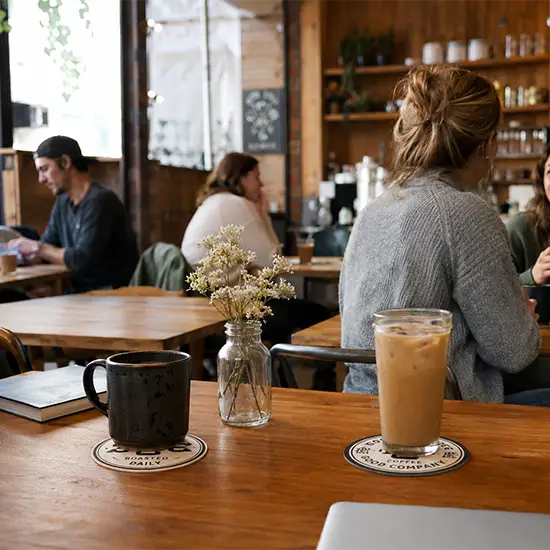
At events, coasters travel. They end up in hotel rooms, offices, and shared spaces long after the event ends. In offices, they become part of daily routines. For remote teams, they bring a small piece of shared identity into individual workspaces.
Brands that invest in quality materials and printing see better results. Options like recyclable pulpboard align with sustainability goals while still delivering durability.
For teams exploring custom coasters, choosing the right format ensures they feel intentional rather than generic. The same applies to branded drink coasters, which are especially effective in hospitality and corporate gifting contexts.
Final Thoughts: Make Every Brand Moment Count
Branded merch kits work when they respect the recipient's space and time. The most effective kits are designed around how people work, gather, and connect.
By focusing on function, design, and consistency, brands can turn everyday items into meaningful touchpoints. Coasters, in particular, offer a simple way to extend visibility without adding clutter.
If you are building or refining branded merch kits for hybrid teams or events, start with items that earn their place. The impact will last longer than the campaign itself.
Share: