Promotional Product Procurement: 5 Questions to Ask Before Ordering Custom Coasters

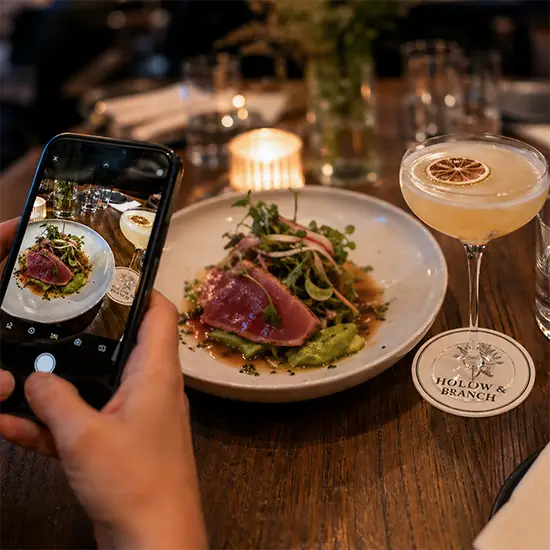
 A coaster is one of the few branded items that earns its place on the table. - Coaster Factory
Why Procurement Teams Are Rethinking Promotional Products in 2026
Procurement teams across every industry are re-evaluating how they approach promotional product procurement. The days of choosing the cheapest items just to meet a deadline are gone. In 2026, companies are looking for quality, value, and alignment with their brand image. This shift is transforming the promotional products industry into something more strategic and data driven.
Corporate buyers, hospitality managers, and event planners all want promotional products that do more than display a logo. They need items that build connections, last longer, and reflect brand integrity. Whether it's a run of branded merchandise for a trade show or eco-friendly materials for an upcoming event, purchasing decisions are now guided by thoughtful analysis rather than bulk pricing alone.
For many teams, the focus has expanded from cost control to brand consistency. That means finding a promotional product supplier that understands the importance of design standards, sustainability, and long-term reliability. The procurement process has become about building partnerships, not just transactions.
Question 1 - What's the Total Cost Beyond the Unit Price?
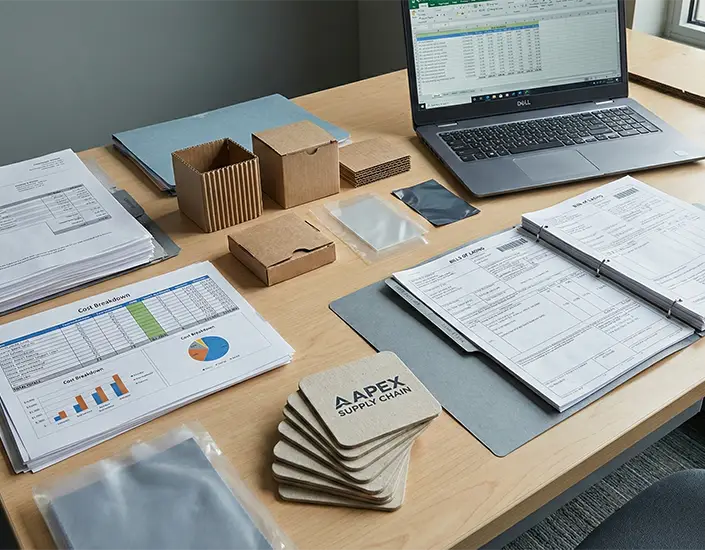
It is easy to fixate on a low per-unit rate, but seasoned buyers know that promotional product procurement involves much more than the sticker price. Costs like shipping, packaging, setup fees, customization, and storage can all add up quickly. When these factors are not considered early, they can erode the apparent savings from a lower base cost.
A responsible procurement team evaluates total value instead of price alone. This includes service reliability, production speed, and post-delivery support. For example, a slightly higher-priced supplier that consistently delivers on time may offer better long-term savings than one with unpredictable lead times. Product quality should also be viewed as part of total cost.
Poor-quality items that fail to impress your audience end up costing your brand more in reputation than you save upfront.
Cooperative purchasing is another way to lower overall expenses. By grouping orders with other departments or locations, businesses can access bulk pricing without sacrificing quality. This method allows teams to purchase high quality products while keeping budgets balanced and timelines efficient.
Question 2 - Is the Supplier Aligned with Our Brand Values?
A strong procurement strategy looks beyond price to find suppliers who share the company's ethics and vision. In the promotional products industry, brand alignment can make or break a campaign's success. A supplier that prioritizes sustainability, transparent sourcing, and fair labor practices helps your organization uphold its public commitments.
Before signing a contract, it is worth asking whether the promotional product supplier uses responsible manufacturing process standards. Are they using recycled or renewable materials? Do they maintain clean and efficient production facilities? These questions signal whether your promotional investment aligns with broader company goals such as environmental responsibility and social impact.
When a supplier's values match your own, the end result is more authentic branded merchandise. Each product becomes an extension of your brand's story rather than a generic giveaway. This is especially important for companies that market themselves as eco-conscious or community driven. Modern buyers notice the difference between a business that buys cheap and one that buys with purpose.
Partnering with the right supplier means that every product you distribute, from pens to apparel to custom coasters, reflects your standards and attention to detail. The credibility you build from these decisions strengthens customer trust and keeps your brand reputation intact.
Question 3 - Can the Supplier Handle Our Scope and Customization Needs?
Scalability is one of the most overlooked parts of promotional product procurement. Many teams discover too late that their supplier cannot meet volume demands or handle complex customization requests. When a campaign relies on thousands of branded pieces, you need assurance that your vendor can manage the scope without compromising product quality or consistency.
A professional promotional product supplier will be transparent about their capabilities. They should provide detailed information about their product range, available materials, and customization options. This might include size variations, shape choices, color matching, or packaging upgrades. Suppliers who offer flexible add on services such as graphic design support, sample production, or rush delivery provide real value for growing businesses.
The same principle applies to brand-specific merchandise. Whether your company orders t-shirts, office supplies, or promotional materials for trade shows, scalability and consistency are key. For example, when you order coasters or design custom coasters through Coaster Factory, you get complete control over materials, design, and color accuracy. You can also create drink coasters that match the exact tone of your campaign or corporate identity.
Suppliers who can manage both small-batch creative projects and large-scale national orders will save your procurement team significant time and stress. This level of adaptability is especially valuable when coordinating campaigns that span multiple markets or departments.
Question 4 - What Does Historical Data Tell Us About Product Success?
Every good procurement decision should be grounded in measurable data. Reviewing past campaign performance helps determine what actually drives engagement and return on investment. If a specific category of promotional items performs well, that information should guide future ordering strategies.
For example, t-shirts may generate initial interest but have limited lifespan in a corporate setting. On the other hand, functional items like drink coasters or other office supplies tend to stay in circulation longer, creating repeated brand exposure. These patterns are critical when evaluating cost per impression and overall impact.
Historical data can also highlight patterns in supplier reliability and product quality. Late shipments, high defect rates, or customer complaints may signal that a vendor is no longer meeting your standards. This kind of analysis helps procurement teams prioritize long-term relationships with suppliers who consistently deliver high quality products that reflect your brand values.
Gathering post-campaign feedback from internal teams or end users is equally important. Insights from marketing staff, sales reps, or event attendees can reveal which branded merchandise left a lasting impression and which failed to stand out. When this information is tracked over multiple cycles, your procurement process becomes more strategic and efficient.
Question 5 - What's the Procurement Process from Quote to Delivery?
A clear procurement process helps teams save time, reduce errors, and maintain accountability. When it comes to promotional product procurement, efficiency matters as much as creativity. A well-defined system ensures that your branded merchandise arrives on time, within budget, and exactly as approved.
The process typically begins with a needs assessment. Procurement teams identify what the campaign or department requires, how many units are needed, and when they must be delivered. From there, supplier evaluation begins. Companies compare vendors based on pricing, product quality, reliability, and service options. Once a shortlist is created, the next step is to request detailed quotes that include all costs such as setup, shipping, and customization.
After selecting a promotional product supplier, communication becomes the foundation of success. Each step of the procurement process, from proof approval to production scheduling, must be documented and verified. Regular updates from the supplier build confidence and help prevent costly mistakes.
When larger organizations use cooperative purchasing models, the process becomes even smoother. Combining orders from multiple departments allows the company to negotiate better pricing and maintain consistent branding across all promotional products. This unified approach also streamlines invoicing and fulfillment, which reduces administrative workload and improves accuracy.
By following a structured workflow, procurement teams can track progress, maintain transparency, and measure the success of each campaign with reliable metrics.
Why Custom Coasters Are the Smart Choice in 2026
Branded merchandise has evolved and so have buyer expectations. Among the most effective and cost-efficient promotional materials in 20265 are custom pulpboard coasters. They strike the right balance between visibility, practicality, and affordability while offering nearly endless design flexibility.
Versatile, Memorable, and Budget-Friendly
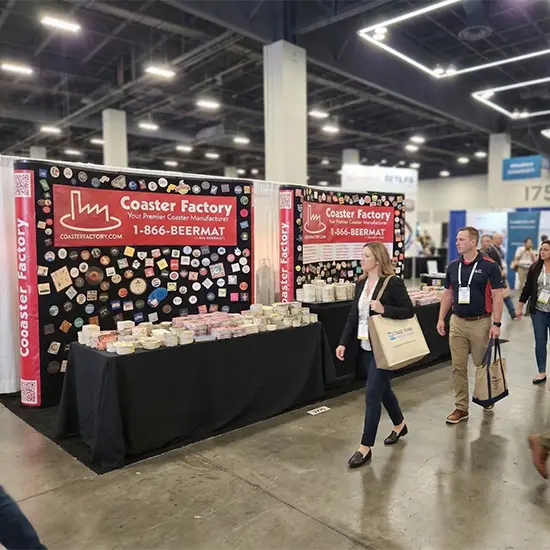
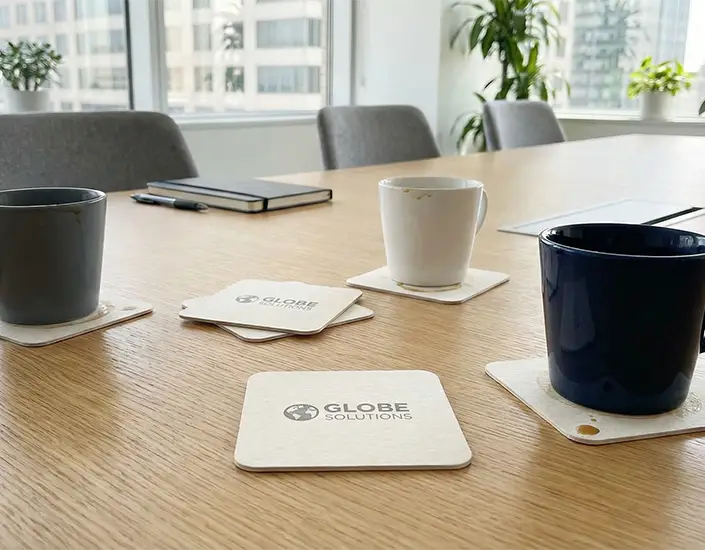
Custom coasters give your brand visibility where it counts: bars, restaurants, offices, trade shows, and special events. Each coaster can generate hundreds of impressions for a fraction of the cost of other promotional products. Unlike disposable paper items, quality pulpboard coasters are sturdy, absorbent, and long-lasting.
For companies that value efficiency, this means more brand exposure without needing frequent reorders. Coasters also carry a subtle appeal. They do not feel like traditional advertisements, yet they consistently display your logo and message in a natural, everyday setting. Few promotional products can deliver this kind of lasting presence while keeping budgets low.
When sourced from a reliable promotional product supplier, coasters are easy to customize with vibrant colors, sharp graphics, and unique shapes. Whether used in hospitality settings or corporate events, they fit almost any brand aesthetic while remaining practical and affordable.
Sustainable Options for Eco-Conscious Brands
Environmental responsibility is now a major factor in the promotional products industry. Many organizations prefer items that align with their sustainability goals. For example, pulpboard coasters, which are biodegradable and recyclable.
By choosing eco-friendly manufacturers, companies can show their commitment to reducing waste while maintaining product quality. This is especially appealing to sustainability-focused buyers who value transparency and care about how branded materials are produced.
Ideal for Corporate Gifting and Brand Awareness
In corporate environments, branded merchandise is more than a giveaway; it is a form of relationship building. Custom coasters are an ideal choice for thank-you gifts, client appreciation packages, or event takeaways. They are small, lightweight, and easy to distribute, but they also feel personal and thoughtful.
Unlike digital ads that disappear after a few seconds, physical items like drink coasters create a lasting memory. Every time a client places a beverage on your coaster, your brand is present. This repeated exposure builds familiarity and strengthens recognition over time.
Custom coasters also blend perfectly with larger marketing initiatives. They can accompany printed brochures, event invitations, or promotional mailers. Combined with other branded merchandise such as t-shirts or office supplies, they enhance consistency across campaigns and extend your brand's reach to new audiences.
When integrated into your promotional product procurement plan, coasters provide measurable value. They are easy to store, distribute, and reorder, which makes them one of the most practical items in any marketing toolkit.
Final Tips for a Smoother Promotional Procurement Process
Promotional product procurement works best when it is treated as a strategic function rather than a last-minute task. To achieve consistent success, focus on a few key factors that make the process more effective:
1. Choose suppliers who understand your goals.
A dependable promotional product supplier does more than fulfill orders. They become a partner who understands your brand, timelines, and audience. When your supplier shares your priorities, communication improves, and outcomes are more reliable.
2. Prioritize transparency and detail.
Every quote should include specifics about materials, shipping methods, lead times, and costs. This ensures there are no surprises later in the procurement process and helps teams maintain accurate budgets.
3. Align marketing and procurement objectives.
Procurement should not operate in isolation. When marketing and procurement teams collaborate early, they can align on product range, brand guidelines, and campaign goals. This coordination produces higher quality results and strengthens brand consistency across all promotional products.
4. Emphasize quality over quantity.
A smaller batch of high-quality products has more impact than a large shipment of items that fail to impress. Customers remember the feel and look of a product long after the event ends. Investing in durability and design will always pay off in reputation and repeat business.
5. Leverage data and feedback.
After every campaign, track engagement levels and review customer feedback. Use that information to refine future promotional product procurement decisions. Over time, this data-driven approach will improve cost efficiency and marketing performance.
By focusing on these principles, your organization can build stronger relationships with suppliers, reduce waste, and maximize return on investment.
Need Custom Coasters for Your Event?
If you are ready to elevate your promotional strategy with high quality, sustainable branded materials, start with custom pulpboard coasters. Coaster Factory specializes in custom coasters that combine design precision with factory-direct pricing. Whether you need small-batch prototypes or large corporate orders, we make the process simple, transparent, and efficient.
Share: