Travel Promotional Items: Practical Keepsakes That Support Long-Term Destination Recall
 Traveling - it leaves you speechless, then turns you into a storyteller. - Ibn Battuta
Summary
- Useful, lightweight gifts (especially custom pulpboard coasters) often remain visible in guests' homes long after the trip.
- Practicality, packability, and sustainability help travel swag reinforce brand memories without burdening travelers.
- Clear proofing, color accuracy, and realistic turnaround expectations keep programs reliable at scale.
What Makes Travel Promotional Items Different
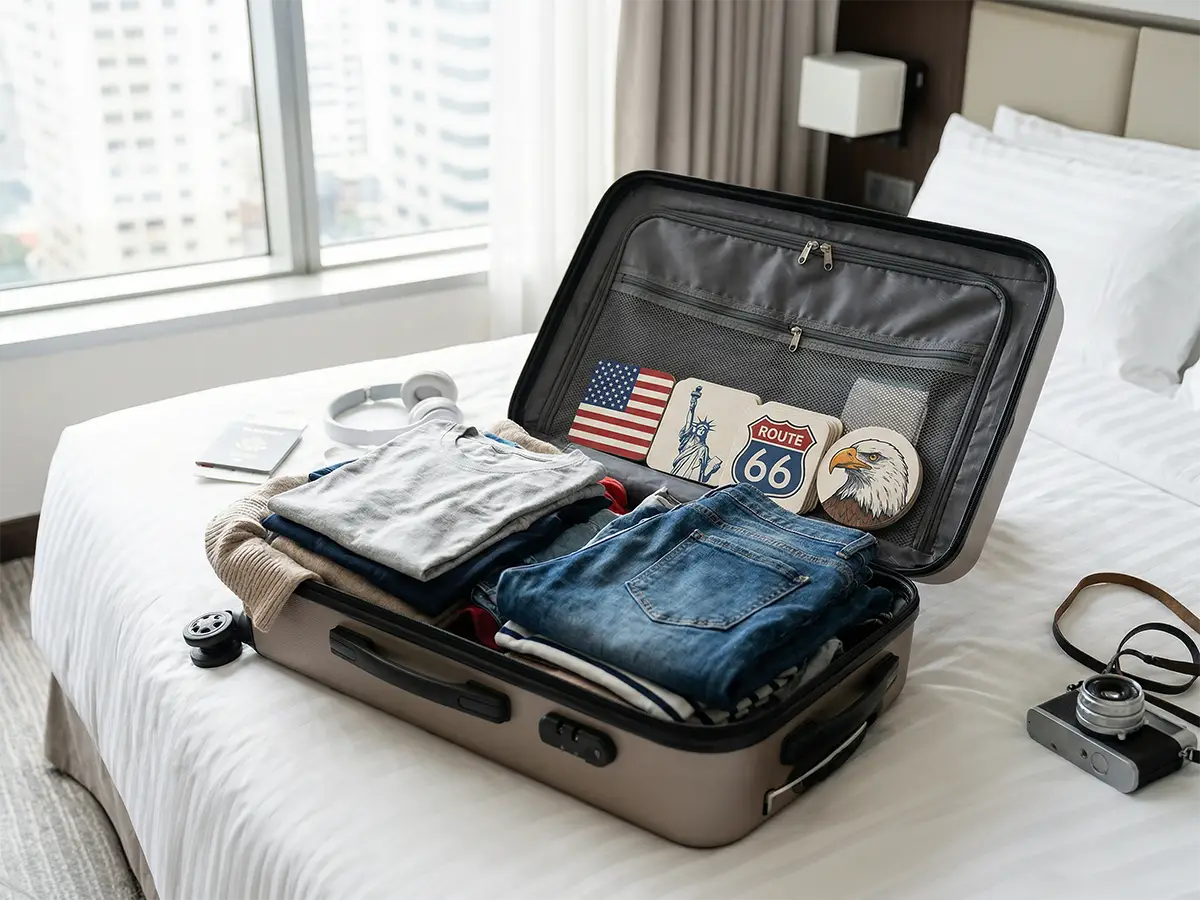
Travel promotional items face a challenge that trade show giveaways do not: airline weight limits and already-full suitcases. A branded snow globe that weighs half a pound rarely makes it home. A flat, lightweight coaster slides into any carry-on without a second thought. That packability difference determines whether a marketing investment earns months of daily visibility or ends up in a hotel storage closet.
Effective travel swag must be light enough to pack, useful enough to keep, and designed well enough to trigger positive destination memories. Items that meet all three criteria become permanent fixtures in guests' daily routines. Items that miss any one of these marks tend to be left behind.
One production note applies across all travel promotional programs: destination marketing giveaways often feature scenic photography or detailed destination imagery. These complex designs require careful color management. Reviewing a digital proof before production is not optional. Skipping that step often leads to muddy colors and destinations that no longer look like the sunset in the original photograph.
What Are Travel Promotional Items?
Travel promotional items are branded products that tourism businesses distribute to improve guest experiences and extend brand visibility beyond the trip itself. Hotels place them in rooms. Tour operators include them in welcome packets. Visitor centers offer them as take-home reminders. These items serve dual purposes: improving the immediate experience and creating lasting impressions at home.
The most effective travel promo products share three characteristics. They are portable enough for air travel and overpacked vehicles. They serve practical functions that encourage daily use. They connect emotionally to the destination through thoughtful design. A coaster featuring local landmarks satisfies all three conditions more consistently than a decorative plate that requires bubble wrap.
The promotional products industry reached a record $26.6 billion in North American sales in 2024, according to the 2025 ASI industry report. Tourism operators compete for guest attention within that larger landscape, and the most effective use their promotional budgets on items that function both as gifts and as long-term advertising.
Why Practicality Matters in Travel Swag
Novelty items might generate an initial smile, but practical gifts earn permanent spots in daily routines. The miniature Eiffel Tower keychain breaks within weeks. The coaster protecting the coffee table stays visible for years. That durability difference translates directly into brand exposure over time.
According to PPAI research published in 2024, the most common reason consumers keep a promotional product, cited by 75.4% of respondents, is that the product is useful. Nearly half of all respondents (48.7%) reported keeping promotional products for longer than five years. Those figures reward travel operators who prioritize function over novelty.
Weight restrictions amplify the importance of practicality. Many international airlines enforce carry-on limits of 7 kilograms or less. Domestic travelers balance laptop bags with roller cases and leave no room for anything heavy or bulky. Any promotional item that does not fit these constraints risks being left behind. Lightweight, flat items like coasters slip easily into any bag pocket and add negligible weight.
Items that serve real household functions also travel across multiple environments after the trip ends. A coaster protecting a home coffee table generates impressions every day, for every household member and every visitor who sees it. That sustained visibility is what separates useful promotional products from single-use novelties.
Custom Pulpboard Coasters: A Travel Marketing Fit
Custom coasters combine high visibility with minimal storage requirements. Hotels can stock thousands without dedicating entire closets to them. Tour groups can distribute them without additional logistics. Gift shops can display them without sacrificing prime retail space. That efficiency matters when managing promotional budgets across peak and slow seasons.
Quality pulpboard absorbs moisture reliably without deteriorating over time. The printed surface maintains color vibrancy through hundreds of uses. The promotional products industry's own retention data reflects this durability: according to the PPAI Consumer Study, 83% of consumers are more likely to do business with brands from which they have received a promotional product, and that association strengthens the longer the item stays in use.
Cost efficiency at scale makes coasters particularly attractive for high-volume tourism operations. When ordered in bulk quantities, custom coasters provide among the lowest cost-per-impression ratios available. A 50-room property serving drinks at two restaurant outlets plus room service might distribute 100 coasters daily, making a 5,000-unit order less than two months of inventory at that pace.
Production flexibility allows tourism brands to update designs seasonally or for special events. Summer designs might feature beach scenes and cocktail recipes. Winter versions could showcase ski slopes or local holiday traditions. This variety keeps the promotional program fresh without requiring entirely new product categories.
How Guests Use Coasters in Hotels, Bars, and Rooms
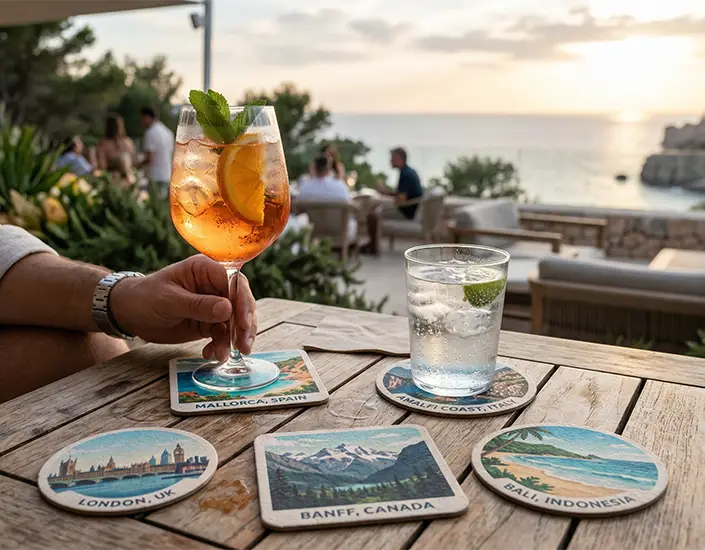
Guest interaction with coasters follows predictable patterns that smart marketers leverage. In hotel bars, coasters appear under every drink, creating multiple touchpoints during the hours when guests feel most relaxed and receptive. Room service delivers them with morning coffee and evening cocktails. Lobby coffee stations stack them beside the condiments. Each placement reinforces brand presence at low cost.
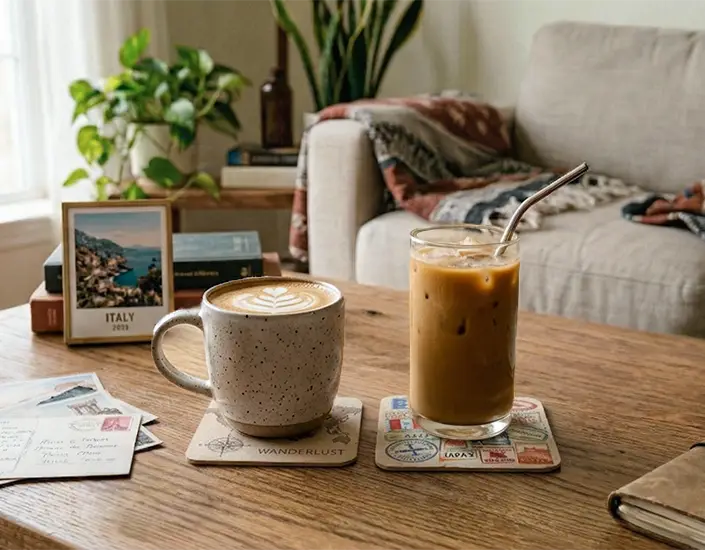
The take-home behavior matters most for long-term marketing impact. Guests often pocket attractive coasters as free souvenirs. Unlike brochures that move directly into recycling bins, coasters travel home in laptop bags and purses. They reappear on home coffee tables and office desks, continuing their promotional work for months after check-out.
Business travelers particularly value hotel coasters for their functionality. They protect conference room tables during long meetings. They identify drinks at networking events. That utility transforms branded coasters from advertising into household fixtures, which is the category of objects most likely to stay in circulation.
Design Elements That Support Memorability
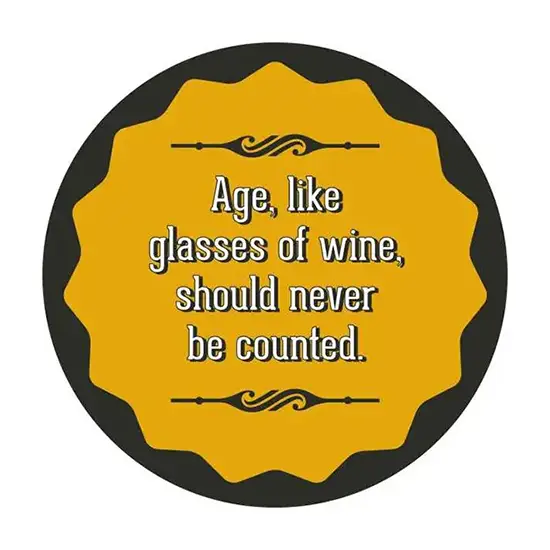
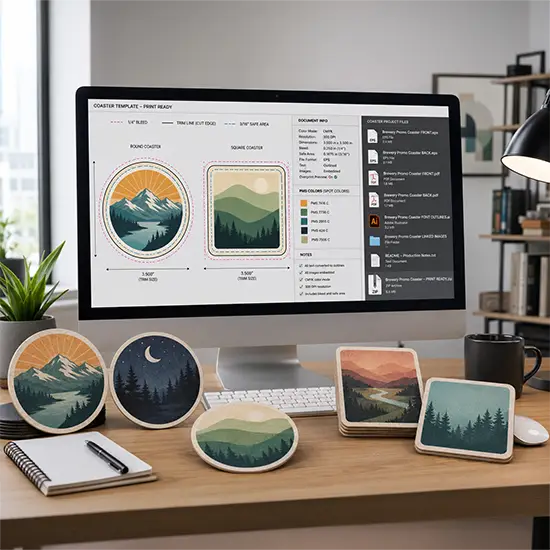
Effective coaster design for tourism balances destination imagery with brand identity. Local landmarks photographed during golden hour create emotional connections. Illustrated maps highlighting nearby attractions provide practical value. Cultural patterns and regional artwork celebrate location authenticity. These visual elements work together to trigger positive travel memories during daily use at home.
QR codes expand functionality without cluttering designs. A discrete code in one corner can link to booking pages, virtual tours, or exclusive offers for returning guests. Multi-color printing ensures that detailed elements reproduce clearly. Always review a digital proof before approving production, and request physical samples when pushing color boundaries in destination photography.
Keep the design uncluttered. One clear logo, one contact point, and a strong visual are sufficient. Avoid stacking phone numbers, social handles, and website URLs onto limited space. The coaster should feel like a keepsake, not a business card.
Environmental Considerations
Sustainable travelers increasingly evaluate tourism providers on environmental practices. Promotional items made from recycled content and biodegradable materials align with these expectations. According to the 2023 ASI Ad Impressions Study, 46% of consumers feel more favorable toward an advertiser who gave them an environmentally friendly promotional product. That favorability effect is directly relevant for eco-lodges and sustainable tourism operators.
Confirm specific material certifications with your manufacturer before making environmental claims in your distribution messaging. Recycled content percentages, biodegradability, and ink formulations vary by vendor and product line. Accurate claims build credibility. Overstated claims risk the opposite effect among the environmentally informed travelers most likely to notice them.
Other High-Utility Travel Giveaways
Coaster Factory manufactures pulpboard coasters only, but tourism operators often pair them with other promotional items to create comprehensive retention programs. Understanding what works in each category helps position coasters within a broader strategy.
Reusable Drinkware
Water bottles and insulated mugs rank among the most retained promotional products across all categories. According to the 2023 ASI Ad Impressions Study, 63% of recipients keep and use branded drinkware for at least one year. Travelers particularly appreciate quality drinkware that holds up through airport security, hotel room coffee makers, and daily commutes once they return home.
The logistics challenge is dimensional storage and shipping. Unlike flat coasters that stack efficiently, drinkware requires significant warehouse space and adds weight per unit. Many properties reserve branded drinkware for VIP guests while using coasters for broader distribution across the full guest base.
Travel Accessories
Luggage tags, passport holders, and neck pillows solve specific travel problems and remain visible throughout journeys. Business hotels often include these in corporate welcome packages. Resort properties might offer them as booking incentives during slow seasons.
Their specificity can limit appeal. Not every guest needs another luggage tag. Passport holders work only for international travelers. Neck pillows take up packing space. Coasters avoid these limitations by serving universal household needs that extend beyond travel contexts entirely.
Eco-Friendly Bags and Apparel
Lightweight tote bags and quick-dry travel shirts transform recipients into walking advertisements during and after the trip. They photograph well for social media and appeal to eco-conscious segments. The production challenge remains achieving consistent quality at reasonable price points while maintaining size inventory across apparel categories.
Five-Step Checklist: Choosing the Right Item for Your Audience
1. Confirm use case (in-room, retail, tour handout)
Different distribution methods require different product considerations. In-room placements allow larger items since guests can pack at leisure. Retail environments need products that survive handling. Tour handouts must be immediately portable. Coasters work across all three scenarios, though packaging may vary. Bulk sleeves suit retail display, while individual wrapping suits in-room placement and tour packet inclusion.
2. Evaluate packability and airline carry-on limits
International travelers face 7kg carry-on restrictions on many airlines. Any promotional item must fit these constraints or risk being left behind at checkout. A stack of four coasters weighs mere ounces and slides into any bag pocket. That portability increases the likelihood guests actually transport the item home, where its long-term promotional work begins.
3. Choose materials that align with sustainability goals
Modern travelers increasingly choose destinations based on environmental practices. Promotional products should reflect those values where genuine. Recycled pulpboard coasters demonstrate material commitment. Confirm specific certifications with your manufacturer, and label materials accurately in your messaging. Avoid sustainability claims that cannot be substantiated with documentation from your vendor.
4. Match artwork complexity to CMYK capabilities
Destination photography often includes subtle color gradations in skies and water. These images require careful CMYK separation to maintain visual impact in print. Simple vector logos reproduce more consistently but may lack emotional resonance. Balance complexity with production realities. Request printed physical samples when pushing color limits. What looks vibrant on a monitor may print differently on pulpboard.
5. Document proofing and approval checkpoints
Tourism campaigns often involve multiple stakeholders: brand compliance teams, tourism boards, licensing photographers, and marketing directors. Build these approval stages into production timelines from the start. Digital proofing helps, but physical samples prevent surprises when thousands of units arrive and the destination sunset prints too dark.
Real-World Usage Scenarios
A coastal resort might commission local artists to create seasonal designs featuring native wildlife. Guests who collect different sets across multiple visits have a tangible reason to return. The coasters become conversation pieces that connect guests to conservation stories, generating social media attention that the resort does not need to manufacture or pay for.
City walking tour operators face a different challenge. Participants carry water bottles, cameras, and guidebooks while navigating streets. Bulky souvenirs become burdens. Custom coasters in welcome packets featuring illustrated neighborhood maps serve two functions: they act as practical references during lunch stops and useful household items afterward. The lightweight addition earns lasting brand visibility at a very low unit cost.
Conference hotels hosting international business travelers need gifts that clear customs easily. Coasters featuring local landscape photography celebrate regional identity without requiring explanation at customs. Business travelers appreciate a functional item that protects conference room and home office surfaces. The repeated daily use reinforces the hotel brand throughout the year between stays.
Production Notes and Ordering Guidance
CMYK printing supports rich color reproduction, but Pantone matching is directional rather than exact on pulpboard. Digital proof approval is required before press. Do not approve artwork from a phone screen or an uncalibrated monitor. Examine text at actual print size before sign-off.
Standard production for genuine pulpboard coasters typically runs 10 to 15 business days after proof approval. Shipping adds transit time based on destination and carrier. Factor design revision rounds into the schedule when managing multi-stakeholder approval processes.
For high-volume tourism operations, larger quantities may benefit from phased shipping to manage inventory space. A major resort distributing coasters across multiple outlets benefits from quarterly delivery schedules rather than a single annual pallet, which allows for seasonal design refreshes without requiring on-site storage of 12 months of inventory.
Coaster Factory manufactures genuine pulpboard coasters. Many tourism programs pair them with other items to build complete guest retention programs. Explore bulk coaster orders for properties distributing at volume, or visit Coaster Factory to discuss design, proofing, and turnaround for your next seasonal program.
Key Takeaways
Successful travel promotional items balance practicality with emotional connection. They pack easily, serve daily functions, and trigger positive memories through thoughtful design. Custom pulpboard coasters meet these criteria while remaining cost-effective at the scales typical of tourism operations, from boutique hotels to major resorts.
The production process requires attention to detail. Color limitations affect scenic photography. Proof approvals prevent color disappointments. Bulk quantities need storage planning. Managing these operational realities consistently ensures that the item guests take home actually reflect the destination experience you want them to remember.
Quality and usefulness determine whether a promotional item earns long-term visibility or ends up in a guest room trash bin. The data support the investment in items that function well: according to PPAI research, usefulness is the primary reason consumers keep promotional products, and nearly half keep them for more than five years. A coaster that protects furniture earns its place in daily life long after the trip ends.
Share: