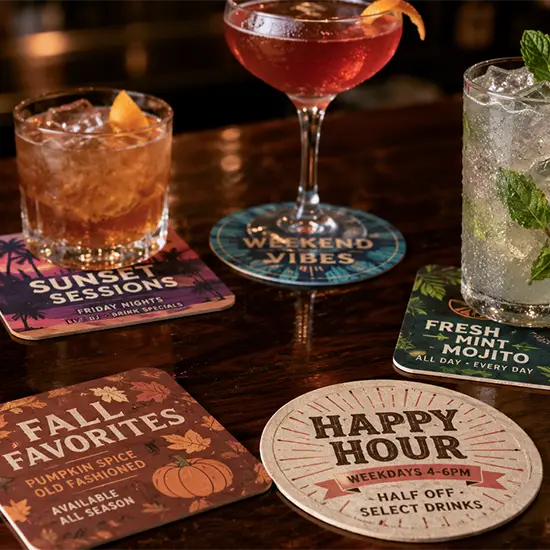
QR Code Coasters for Restaurants, Breweries, and Events: Best Use Cases
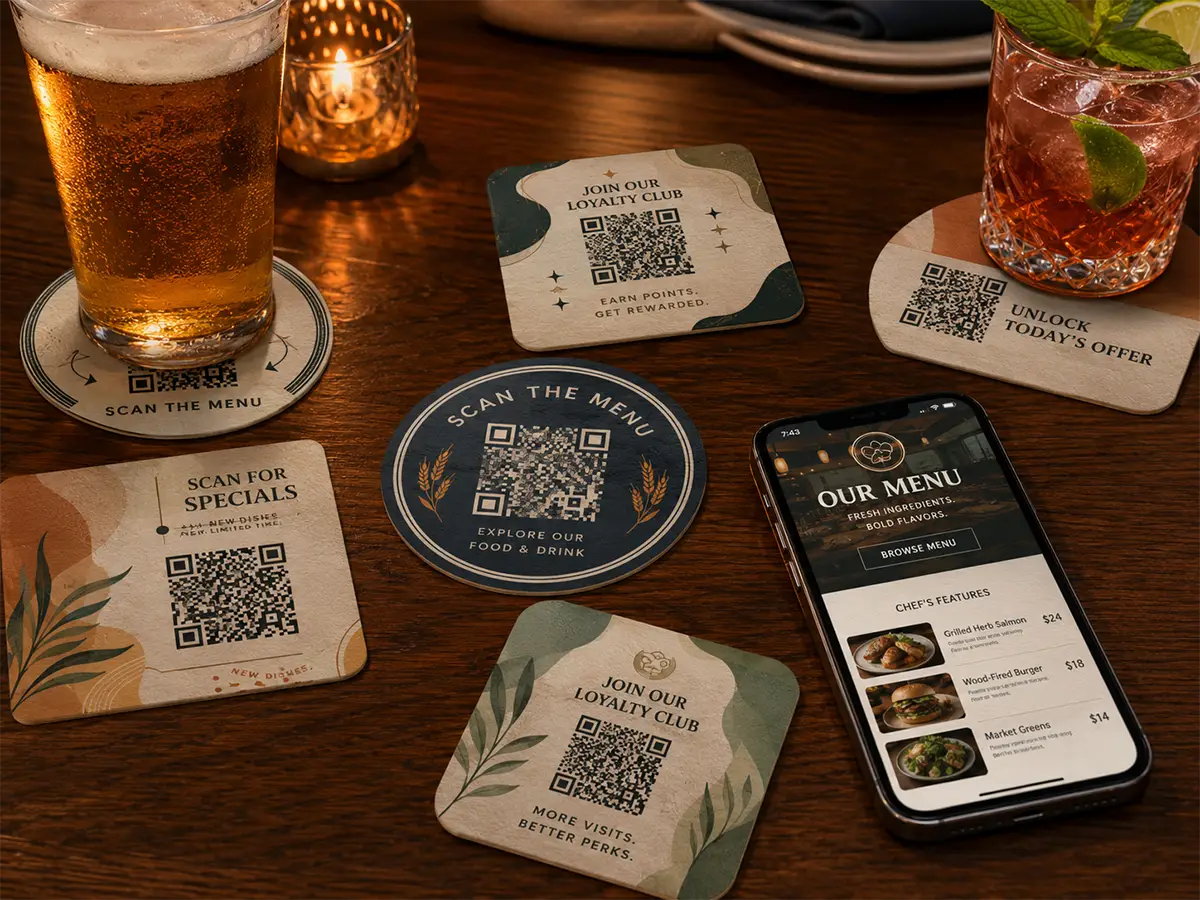
 Turn every table into a digital touchpoint. - Coaster Factory
Summary:
- QR code coasters transform static genuine pulpboard into interactive digital gateways that connect table-level branding to menus, loyalty programs, and promotional campaigns.
- Core benefits include instant menu access, loyalty program capture, social media engagement, and measurable scan tracking, making coaster campaigns directly attributable to business outcomes.
- Dynamic QR codes allow destination updates without reprinting, giving venues and campaign managers real-time control over what each coaster links to throughout a campaign's lifespan.
How QR Code Coasters Connect Physical Tables to Digital Engagement
QR code coasters give venues and brands a direct connection between the physical table surface and any digital destination they want to drive guests toward. A guest seated with a drink already in hand and a phone nearby is already in the right context to scan. The coaster beneath their glass places a digital gateway in their line of sight throughout the entire visit, creating repeated opportunities for engagement without any staff involvement.
Traditional printed coasters carry static messages that cannot be updated once produced. QR code coasters solve this by linking to dynamic destinations that the venue controls independently of the physical item. A menu change, a new promotion, or a seasonal campaign update requires no reprint. The same genuine pulpboard coaster continues working while the destination behind the code adapts in real time.
This combination of physical presence and digital flexibility makes QR code coasters one of the most practical omnichannel tools available to restaurants, breweries, event operators, and brands running promotional campaigns at scale.
What QR Code Genuine Pulpboard Coasters Are
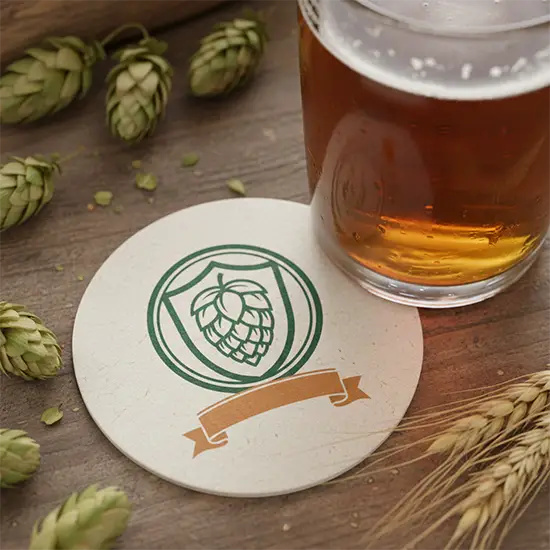
QR code genuine pulpboard coasters combine the absorbent functionality of traditional drink coasters with scannable technology that bridges to digital platforms. The genuine pulpboard substrate provides a reliable branding surface for full-color CMYK printing while maintaining the moisture-absorption properties venues require for active beverage service.
The genuine pulpboard material supports QR functionality through consistent ink absorption and color reproduction. The absorbent layers prevent warping that could distort QR code geometry, maintaining scannability throughout an evening of use. Quality genuine pulpboard thickness also matters for QR applications. Thinner materials may curl at edges, creating shadows that interfere with phone cameras. Premium-weight genuine pulpboard stays flat on surfaces, ensuring codes remain scannable from multiple angles.
Genuine pulpboard coasters are made from wood pulp fibers, including recycled paper content. Before making specific environmental claims about recycled content, biodegradability, or compostability in venue-facing materials, confirm exact material certifications with your manufacturer, as these specifications vary by supplier and production run.
Why High-Traffic Venues Benefit from QR Code Coasters
Restaurants: Menus, Loyalty, and Reviews
Restaurants have embraced QR menus widely because they eliminate the cost and delay of reprinting physical menus whenever offerings change. A QR coaster places this technology at every table without requiring permanent fixtures or staff intervention. Guests who sit down and find a coaster with a clear "Scan for today's specials" prompt can access current menu information immediately, reducing wait-time friction during the initial ordering period.
The typical dining sequence creates natural windows of engagement. Guests sit, receive water, and wait for service. That genuine pulpboard coaster beneath their glass maintains table visibility throughout this waiting period, providing multiple scan opportunities before the server arrives. Loyalty program prompts placed on coasters reach guests when they are relaxed and receptive, which tends to produce higher signup rates than post-meal digital requests.
Post-meal applications add further value. A QR code near the bill presenter or exit that links directly to a review platform reaches guests while the experience is still fresh, which typically produces more detailed and timely feedback than follow-up emails sent days later. Custom restaurant coasters are produced on genuine pulpboard with full-color CMYK printing that accommodates QR codes alongside brand artwork within a single cohesive design.
Breweries and Bars: Beer Lists and Merchandise
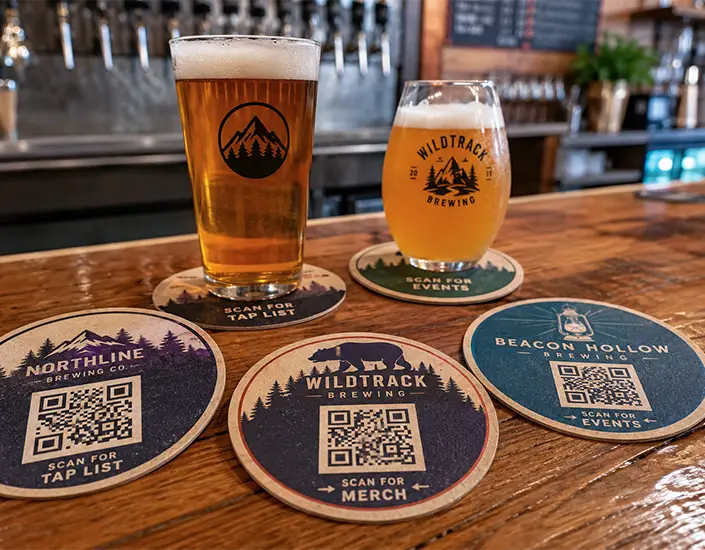
Craft breweries face unique inventory challenges that QR coasters address directly. Tap lists change frequently. Seasonal releases sell out quickly. Limited batches require constant menu updates that would be prohibitively expensive to handle through reprinted physical menus. QR coasters link to real-time availability pages that the brewery updates as inventory changes, without touching the printed coasters on the bar.
Bar environments also benefit from QR codes linking to merchandise. A guest admiring branded glassware can scan to purchase immediately. A brewery visitor can access the online shop without leaving their barstool. Each coaster functions as a silent point-of-sale touchpoint available whenever a guest's interest piques. Custom bar coasters suit this kind of active bar service environment, with genuine pulpboard construction that holds up to condensation and the handling of a busy night.
The social dimension of bar environments creates additional organic reach. Groups sharing tables multiply each coaster's exposure. Photographs of craft cocktails frequently include the coaster in frame, extending the QR code's digital branding surface to the photographer's social network without any additional promotional effort.
Events and Promotions: Registration and Engagement Tracking
Events generate concentrated foot traffic, making QR coasters particularly effective as information and engagement tools. Attendees at conferences, festivals, and corporate gatherings actively seek schedule information, vendor details, and directions to activities. QR coasters placed at registration tables, vendor booths, or beverage stations provide instant access to digital resources that would otherwise require staff to distribute or explain manually.
Photo sharing is a natural event application. Coasters linking to shared galleries or event hashtag campaigns encourage guest participation in content creation. The physical coaster at the table serves as both a functional drink mat and a persistent reminder to contribute, remaining visible throughout the event rather than disappearing into a pocket like a handout card.
Promotional coasters accommodate the full range of event QR applications, with artwork that can include event branding, sponsor logos, and QR codes in a single genuine pulpboard design, produced in the quantities large events require.
Where QR Code Coasters Live: Real-World Placement Patterns
Restaurant tables represent the most controlled placement environment. Coasters remain in position throughout service, receiving repeated attention during the natural waiting periods that punctuate every meal. Servers can position them consistently with the QR code visible and centered beneath water glasses, where phone cameras can easily capture the code. This predictable placement tends to support higher scan engagement than environments where coaster position varies.
Bar environments create more dynamic interactions. Coasters move with drinks, travel between tables, and sometimes leave with guests as souvenirs. This mobility extends exposure beyond the venue. A coaster collected during happy hour may generate scans days later from a home coffee table, extending the campaign's digital reach without any additional distribution cost.
Hotel applications span multiple room and common area surfaces. Nightstands, bathroom counters, and in-room dining tables all provide placement opportunities. Business travelers respond well to QR links connecting to hotel amenities, local restaurant recommendations, or transportation options. The private room setting encourages longer engagement with linked content than a busy dining room typically allows.
Office environments offer long-term placement potential. Branded QR coasters in break rooms or conference areas generate recurring impressions among consistent employee populations. These applications work particularly well for internal communications, training resources, or employee recognition programs where the coaster becomes part of the daily workspace rather than a one-time promotional item.
Design and Print Best Practices for Reliable Scans
A successful QR coaster design balances visual appeal with technical scanability. QR codes need minimum dimensions of 2cm x 2cm for reliable scanning at arm's length. Smaller codes may scan successfully under ideal conditions but fail under typical restaurant lighting or when viewed at the oblique angles that are common when guests scan from a seated position.
Contrast ratio is the single most important factor in scannability. Pure black codes on white backgrounds provide maximum reliability. Brand colors can work when sufficient contrast is maintained between the code modules and the background. Dark blue on light yellow succeeds where dark purple on medium gray does not. Testing scans under the actual lighting conditions of the intended venue confirms whether brand-colored codes meet performance standards before committing to a full production run.
The quiet zone, the white space border surrounding the QR code, requires deliberate protection during layout. This border enables phone cameras to correctly identify code boundaries. Crowding this space with decorative elements reduces the reliability of the scan. Maintaining at least 4mm of clear space on all sides supports consistent performance across different devices and lighting conditions.
Call-to-action text placed near the code directly affects whether guests attempt to scan. A specific benefit statement, such as "Scan for drink specials" or "Scan to join our loyalty program," outperforms generic instructions. The CTA should clearly state what the guest receives by scanning and be positioned prominently near the code, without encroaching on the quiet zone.
Logo embedding within the QR code is technically possible through error correction, but it reduces the code's tolerance for damage or low-light conditions. Many successful campaigns place brand logos adjacent to codes rather than within them, preserving scannability while maintaining brand presence in the design.
Genuine pulpboard's absorption characteristics mean inks spread slightly during drying, which can affect fine QR code detail if not anticipated during prepress. Professional printers account for this dot gain, ensuring crisp module definition in the final printed coaster. Approving a physical proof and testing its scannability with multiple devices before authorizing a full production run is the most reliable way to confirm that the design translates correctly to genuine pulpboard.
Variable Printing for Personalized QR Campaigns
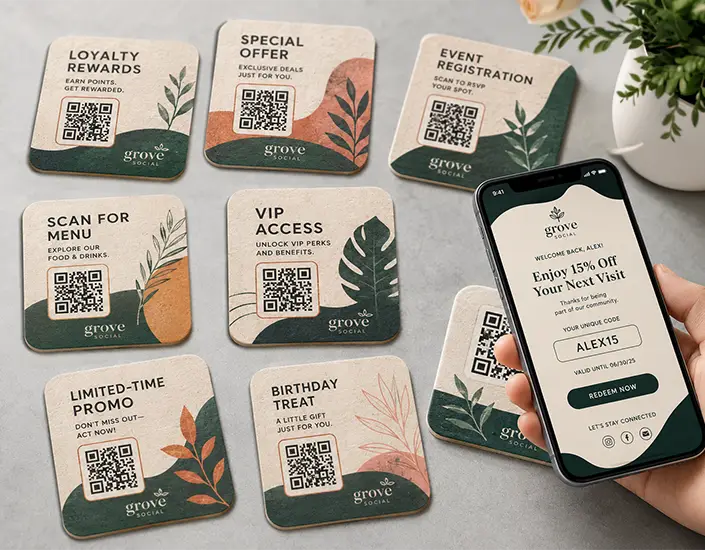
Variable data printing enables unique QR codes for each coaster or batch, opening up campaign strategies that static printing cannot support. A brewery can print a set with unique discount codes, allowing redemption tracking at the individual coaster level. An event venue can assign different QR destinations to different sections of the space, giving organizers location-specific engagement data. A loyalty program can distribute coasters with member-specific codes that connect directly to individual accounts.
Variable printing coasters support this kind of personalized campaign execution, with each coaster in a run carrying distinct code data while maintaining consistent brand artwork across the full production batch. This capability bridges the physical coaster's branding surface to a personalized digital experience that drives stronger engagement than generic destination links.
Tracking Engagement: From Scan Data to Actionable Insights
Dynamic QR codes provide detailed engagement metrics, transforming coaster campaigns from brand-awareness plays into measurable marketing channels. Unlike static QR codes that link directly to a destination, dynamic codes route through a tracking service that logs timestamp, location, and device data before forwarding the user. This architecture enables real-time campaign monitoring without reprinting coasters when destinations change.
UTM parameters added to the destination URL enhance tracking granularity within standard web analytics platforms. Tagging each coaster placement with a unique source identifier allows campaign managers to compare performance across locations, designs, and promotional periods. A restaurant chain can identify which locations generate the most loyalty signups. An event operator can see which booth placements drive the most merchandise clicks.
Time-based patterns in scan data inform operational decisions beyond the campaign itself. If lunch service generates different engagement behavior than dinner, the QR destination can be adjusted to serve content relevant to each daypart. If weekend scans skew toward merchandise while weekdays favor menu browsing, promotional priorities can shift accordingly without changing the physical coaster.
Conversion tracking connects scan activity to downstream business outcomes. Linking scan data to email signups, purchase completions, or review submissions quantifies the actual return on a coaster campaign rather than measuring impressions alone. This closed-loop measurement positions QR coasters as a trackable marketing channel rather than a general awareness tool.
Case Examples: Directional Outcomes Across Industries
A regional brewery chain implemented QR coasters linking to their rotating tap list. Rather than reprinting table materials weekly, they updated the digital destination with current offerings as inventory changed. Scan data showed consistent Friday evening peaks, which informed decisions about when to feature limited releases. The program's flexibility allowed testing different promotional approaches without production delays between tests.
An upscale restaurant group used QR codes on coasters for wine-pairing content. Each table's coaster is linked to sommelier video recommendations matched to current menu items. Guests appreciated the ability to revisit pairing suggestions at home, and the approach reduced the pressure on waitstaff to memorize an extensive wine program.
A hotel conference center deployed QR coasters throughout meeting spaces, linking to session schedules, speaker profiles, and feedback forms. Event planners reported reduced printing costs compared to traditional conference programs, and the real-time schedule update capability was particularly valued when session timing changed. These examples are directional illustrations; individual results vary based on design quality, placement strategy, and the relevance of the linked destination to the audience encountering the coaster.
Conclusion
QR code genuine pulpboard coasters bridge physical table branding and digital engagement in a way that static print advertising cannot match. They place an interactive gateway directly beneath every drink, in the guest's natural field of view, throughout the entire visit. Dynamic code management means the destination can evolve while the coaster remains in service, and scan analytics turn each campaign into a source of actionable data about guest behavior.
Success depends on design quality, strategic placement, and a destination worth scanning. High-contrast codes with clear calls to action encourage engagement. Genuine pulpboard construction maintains scannability through active service conditions. Dynamic tracking connects physical coaster distribution to measurable digital outcomes. Together, these elements make QR coasters a practical and measurable addition to any venue or campaign's marketing mix.
Ready to build a QR coaster program? Explore variable printing coasters, custom restaurant coasters, custom bar coasters, and promotional coasters at Coaster Factory.
Share: