How Restaurants Can Leverage Influencer Marketing for Growth
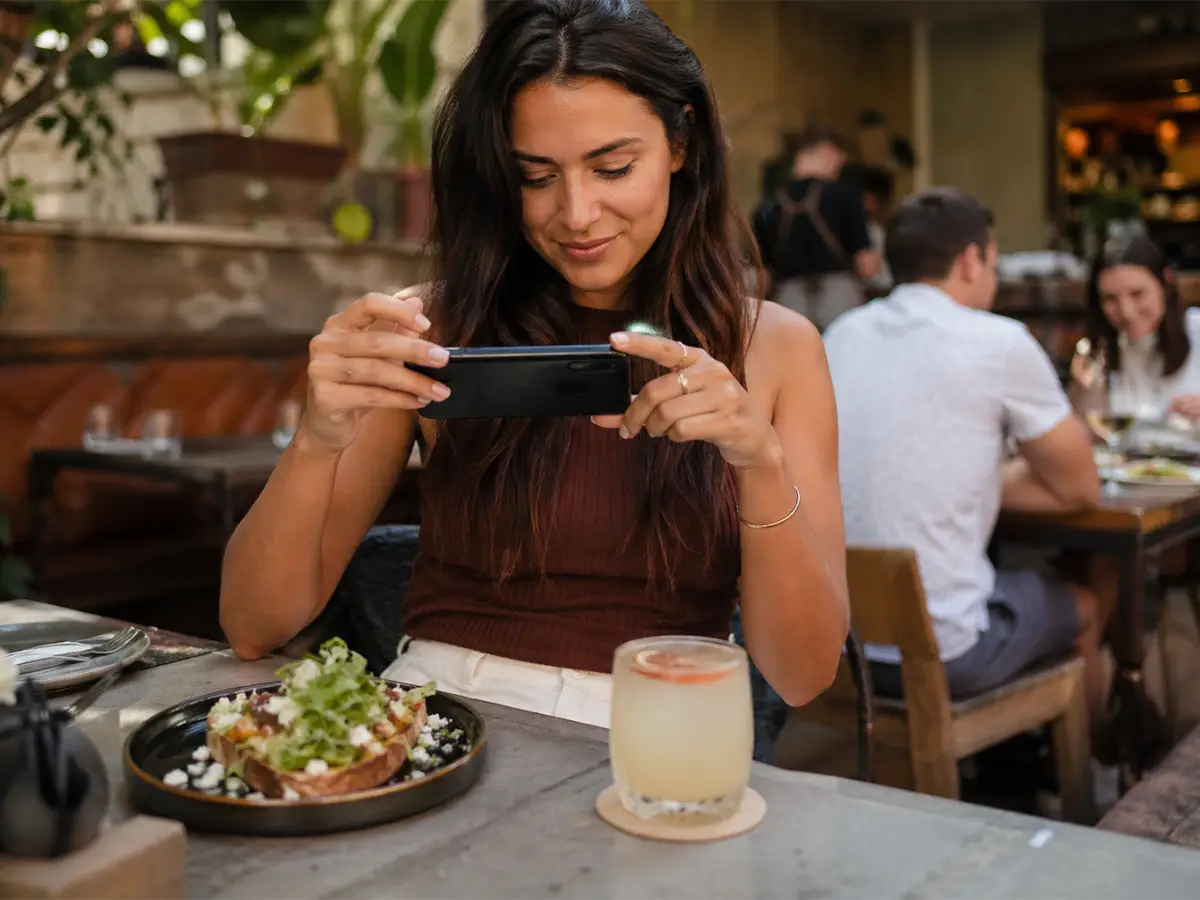
 When content feels natural, it performs. When branding is part of the moment, it lasts. - Coaster Factory
Summary:
- Restaurant influencer marketing connects local dining brands with trusted creators whose audiences make dining decisions based on their recommendations.
- Micro-influencers with locally engaged followings often deliver stronger results for independent restaurants than larger accounts with broader, less targeted audiences.
- Custom genuine pulpboard coasters and branded merchandise integrate naturally into influencer content and extend campaign visibility beyond the initial post.
Why Restaurant Influencer Marketing Delivers for Local Brands
Restaurant influencer marketing works differently from traditional advertising because it reaches potential diners through voices they already trust. Rather than interrupting a social feed with a paid placement, influencer partnerships put the restaurant in front of an audience through authentic content created by someone that the audience follows by choice. For local restaurants competing against chains with larger advertising budgets, that trust is a meaningful advantage.
Micro-influencers with followings between 1,000 and 10,000 tend to deliver particularly strong results for neighborhood restaurants. Their audiences are geographically concentrated, personally engaged, and more likely to act on a restaurant recommendation than the diffuse audience of a national food personality. A local food blogger's post about a Tuesday night special can reach thousands of people within driving distance of the restaurant, which is exactly the audience that matters.
Consumer research consistently shows that recommendations from trusted sources influence dining decisions more reliably than display advertising. When a creator whose opinion an audience values shares a genuine experience at a restaurant, that endorsement carries weight that a paid ad placement cannot replicate. This is the core reason influencer partnerships have become a standard component of local restaurant marketing.
What Restaurant Influencer Marketing Involves
Restaurant influencer marketing connects a dining brand with social media creators who share authentic experiences with engaged audiences. Partnership structures vary depending on campaign objectives. Sponsored posts involve direct payment for specific content deliverables such as a feed post, a reel, or a story sequence. Hosted events bring multiple creators together for exclusive tastings or menu previews that generate a concentrated burst of content across multiple channels simultaneously. Ambassador programs establish ongoing relationships where influencers regularly feature the restaurant in exchange for perks, branded merchandise, or commission-based rewards.
Each structure serves different objectives. A sponsored post works well for a time-sensitive promotion such as a new menu launch or a seasonal special. A hosted tasting event generates broader coverage and creates a sense of occasion around the restaurant. An ambassador program builds sustained visibility over time with creators who develop a genuine familiarity with the brand. Choosing the right structure requires clarity about what the campaign is intended to achieve before outreach begins.
How to Plan an Influencer Campaign: Step by Step
Step 1: Confirm Objectives
Defining success before reaching out to any creator shapes every decision that follows. Launch objectives might include introducing a seasonal menu, filling weeknight tables during slow periods, or driving loyalty program signups. Specific, measurable targets make it possible to select the right influencers, brief them effectively, and evaluate actual results rather than impressions alone.
Step 2: Select the Right Creators
Evaluating potential partners requires looking beyond follower counts. Audience location data confirms whether a creator's followers actually live within range of the restaurant. Engagement rates on recent posts indicate whether the audience is active or passive. Content style and aesthetic should align with the restaurant's brand so that the partnership feels natural rather than forced. Local micro-influencers with genuinely engaged neighborhood audiences consistently outperform distant macro-creators for driving in-person visits.
Step 3: Craft a Value-Focused Brief
A clear brief outlines specific deliverables, key messages about the restaurant's unique offerings, and FTC disclosure requirements without scripting exact wording. Influencers who can tell the story in their own voice produce more authentic content than those given talking points to follow. The brief should explain how branded items like custom coasters enhance content quality and provide creative latitude within the restaurant's brand parameters.
Step 4: Host or Gift
Campaigns can run through in-person dining experiences, curated gift packages, or a combination of both. In-person hosting allows creators to capture the restaurant's full atmosphere and generate content across multiple moments during a single visit. Gift packages extend reach to creators who cannot visit in person, and work particularly well when the package is designed to be photographed. Including branded merchandise such as genuine pulpboard coasters, a sample menu item, and a personal note creates an unboxing moment that generates content before the creator has even visited the restaurant.
Step 5: Integrate Trackable Elements
Building measurement into every campaign element makes it possible to connect influencer activity to actual business outcomes. QR codes on promotional coasters that link to exclusive offers allow redemption tracking. Unique URLs for bio links track click-through behavior. Campaign-specific hashtags aggregate user-generated content and measure organic reach. Each of these tools connects the awareness generated by influencer content to the visits and reservations that represent actual revenue.
Step 6: Document Approvals and Timeline
Establishing clear timelines for content creation and posting, sending design proofs for branded materials early, and confirming posting dates that align with the restaurant's promotional calendar prevent the miscommunication that most often disrupts influencer campaigns. Written documentation of deliverables, deadlines, and approval checkpoints protects both parties and keeps the campaign on schedule.
Merchandise That Amplifies Influencer Content
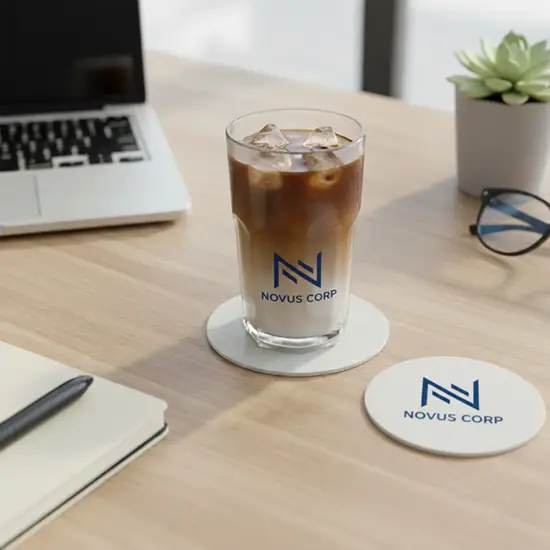
Strategic merchandise transforms influencer partnerships from single posts into extended brand experiences. Custom genuine pulpboard coasters are among the most effective tools for this because they appear naturally in food and beverage photography without requiring any special staging. When a creator photographs a signature cocktail or a coffee, the coaster beneath it is already in the frame. That organic inclusion delivers the restaurant's branding to the creator's audience in a context that feels authentic rather than promotional.
Custom restaurant coasters provide a consistent branding surface in every beverage photograph an influencer takes during a visit. A well-designed coaster adds visual interest to the composition, carries the restaurant's logo and color palette to a new audience, and remains visible in any post that features a drink. This repeated organic visibility across multiple posts and platforms extends the campaign's reach well beyond the initial deliverable.
For campaigns that call for a premium finish, UV spot-gloss coasters add a reflective accent that dramatically reflects light in photography and video. The contrast between the matte pulpboard surface and the gloss treatment creates a visually distinctive result that influencers and their audiences notice. This finish works particularly well for upscale restaurant brands or special event activations where the coaster is intended to signal premium quality.
Tasting events benefit from limited-edition coaster designs that make each piece collectible. Creating exclusive artwork for influencer preview events gives attendees a compelling reason to photograph it independently of the food, generating additional organic content beyond the planned posts. Limited quantities add an element of scarcity that increases perceived value and encourages sharing.
Unboxing kits for remote partnerships perform best when the packaging is designed as carefully as the contents. Including promotional coasters alongside menu samples, branded napkins, and a handwritten note creates a cohesive presentation that reflects the restaurant's attention to detail. Influencers who receive a thoughtfully assembled kit are more likely to document the unboxing in full, extending the restaurant's visibility across additional content formats.
Seasonal coaster series create recurring content opportunities throughout the year. Designing quarterly releases tied to menu changes or local events gives ambassador partners a reason to post about the restaurant multiple times across each season. Fully custom coaster designs accommodate this kind of rotating program, with artwork that can evolve across releases while maintaining consistent brand elements that build recognition over time.
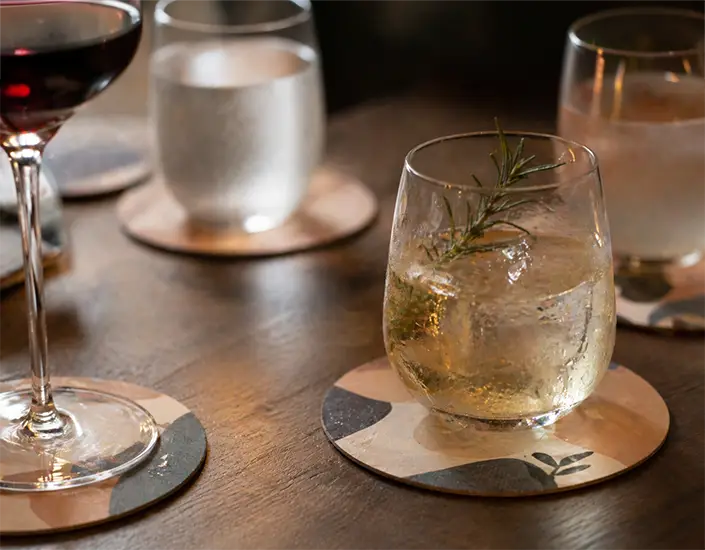
How Diners and Influencers Interact at the Table
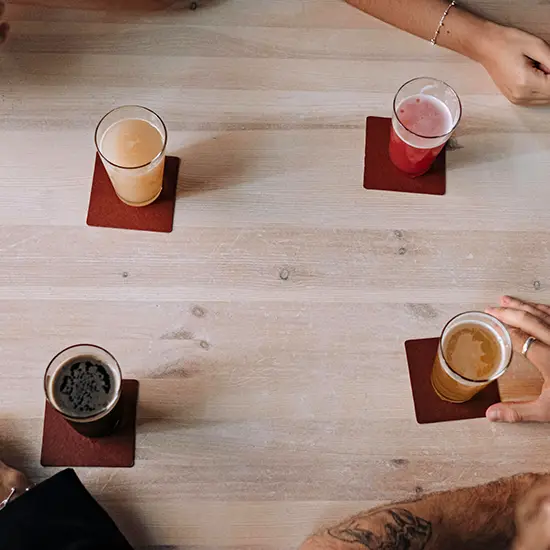
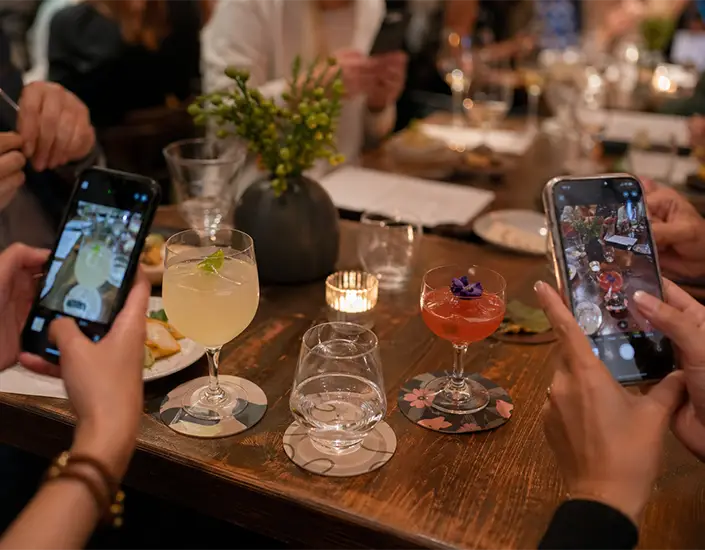
Understanding natural dining behavior helps with merchandise placement decisions. Guests routinely photograph drinks from above, which means coasters appear in nearly every beverage shot without any additional staging. The coaster's position directly beneath the glass places it in the frame automatically, delivering brand visibility through the creator's own content instincts rather than through any explicit product placement arrangement.
Coasters remain visible throughout the entire dining experience, from the arrival of the first drink to the final round before departure. Servers replace them regularly, creating fresh exposure opportunities across the full length of the visit. Influencers who spend 60 to 90 minutes at a restaurant table encounter the coaster design dozens of times and are likely to include it in multiple shots across a single visit. This sustained table visibility is difficult to achieve with any other single promotional item at a comparable cost.
Well-designed coasters contribute to the overall visual quality of influencer content rather than competing with it. Designs that complement the food presentation rather than overwhelming it encourage natural inclusion across multiple shots. Bold graphics with clean color palettes photograph well under varied restaurant lighting and retain clarity when images are compressed for social media.
Measuring Campaign Impact and Iterating
Tracking influencer campaign performance requires monitoring multiple data points simultaneously. QR code scans from coaster-based offers provide direct response data that connects content exposure to specific actions. Reservation notes that capture influencer referrals document the campaign's impact on actual bookings. Hashtag reach and engagement growth during campaign periods show how broadly the content circulated beyond the creator's immediate following.
Comparing foot traffic patterns before and after influencer collaborations reveals whether campaigns drive incremental visits or primarily shift existing traffic. POS systems that support custom tracking codes can isolate influenced visits from baseline traffic. Looking for sustained increases beyond the initial posting window indicates whether content is continuing to circulate and drive decisions over time.
Collecting feedback from both influencers and guests refines future campaigns. Asking creators which branded items photographed best and surveying diners about which design elements caught their attention produces insights that improve both coaster design and partnership structure in subsequent rounds. Campaigns that are evaluated systematically improve more reliably than those assessed only by impressions or follower reach.
Common Mistakes to Avoid
Selecting influencers based solely on follower count is one of the most common and costly errors in local restaurant influencer programs. An influencer with 100,000 followers concentrated in another city delivers less measurable value than a local creator with 5,000 genuinely engaged neighborhood followers. Audience quality and geographic concentration matter more than raw numbers for campaigns intended to drive in-person visits.
Overlooking FTC disclosure requirements creates both trust and compliance risks. All influencers must understand proper disclosure language before any content is posted. Providing suggested wording that maintains the creator's authentic voice while meeting regulatory standards protects both the restaurant and the creator from reputational and legal exposure.
Neglecting physical proof approval for branded materials before a campaign launches can result in coaster designs that look different in print than they did on screen. Approving a physical sample before committing to a full production run confirms that colors, text legibility, and overall design quality meet the standard the restaurant needs to represent its brand professionally in influencer content.
Future Trends to Watch
Micro-creators on emerging platforms are increasingly shaping dining decisions. Niche food communities on platforms beyond Instagram and TikTok often develop highly concentrated local audiences. Restaurants that identify and build relationships with emerging creators in their market before those platforms reach saturation may access engaged audiences at a lower cost than established channels currently offer.
Augmented reality features are beginning to connect physical merchandise with digital experiences. Coasters with AR triggers can surface interactive menus, chef video introductions, or exclusive offers when scanned with a smartphone. This kind of bridge between the physical table surface and digital content creates an additional layer of engagement for influencers to document and share.
Sustainability messaging resonates with a growing segment of conscious diners and the influencers who serve them. Before making environmental claims about coaster materials or inks in any influencer-facing content, confirm specific material certifications with your manufacturer, as certifications vary by supplier and production run.
Conclusion
Effective restaurant influencer marketing combines authentic creator partnerships with branded experiences and physical touchpoints that extend campaign visibility beyond the initial post. Custom genuine pulpboard coasters appear naturally in influencer content, carry the restaurant's branding to new audiences through organic photography, and create collectible merchandise that gives creators and their followers a tangible connection to the restaurant.
Starting with one well-structured partnership, evaluating results systematically, and refining the approach based on what the data shows, produces more reliable growth than launching multiple simultaneous campaigns without a clear measurement framework. The restaurants that build the most durable influencer programs treat each campaign as a learning opportunity as much as a promotional one.
Ready to build branded coaster programs for your influencer campaigns? Explore custom restaurant coasters at Coaster Factory.
Share: